


Introduction
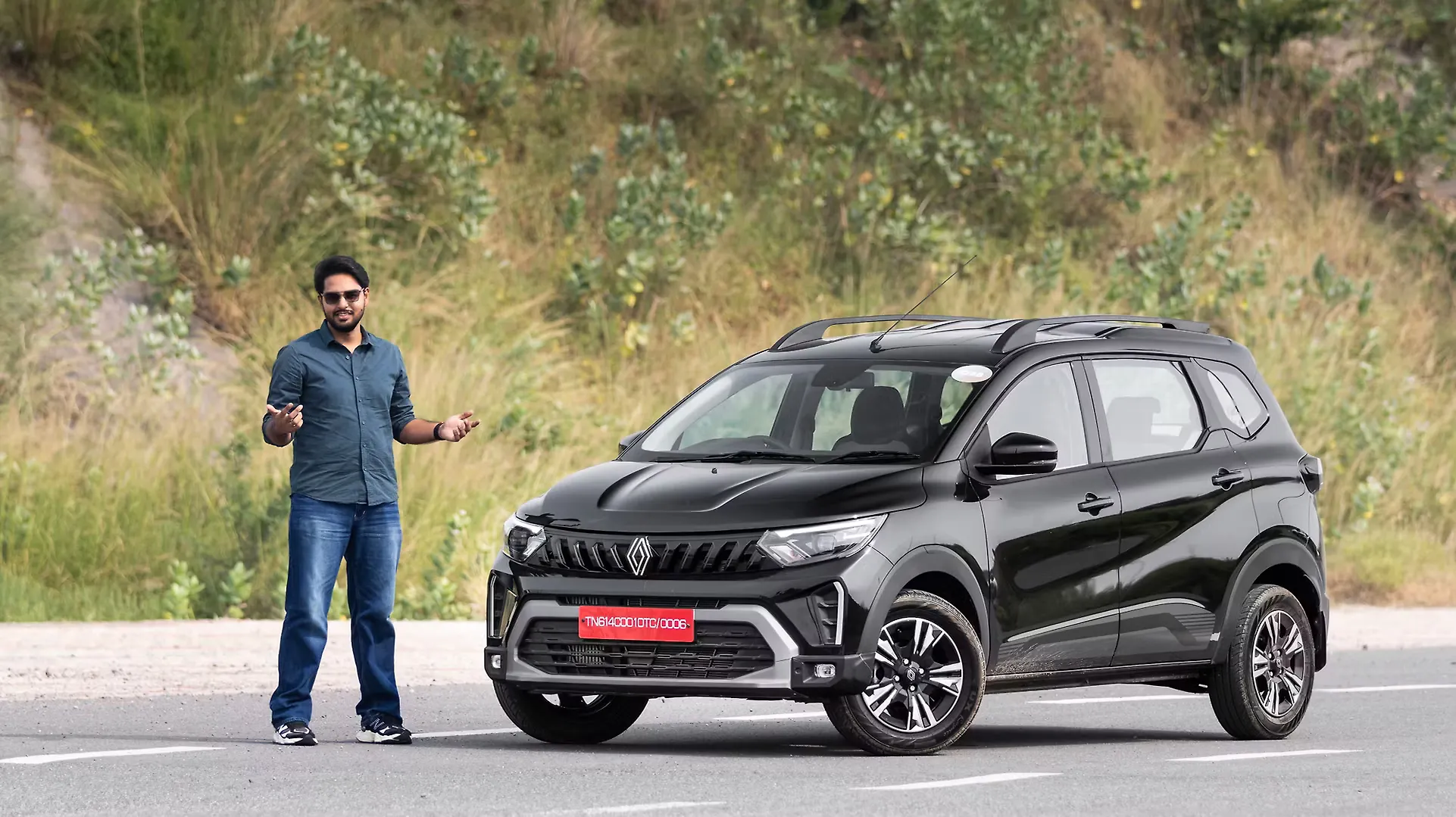
Some cars just make sense on paper, and the Renault Triber has always been one of them. It is compact, spacious, can seat seven, and has one of the cleverest cabin layouts in its segment. Since its launch in 2019, Renault has sold over 2.5 lakh Tribers in India, which shows that buyers have clearly understood what the car brings to the table.
But there has always been one major weakness: the engine. The 1.0-litre, three-cylinder naturally aspirated petrol engine produces 71bhp and 96Nm. It is adequate when there are two or three people in the car, but add a full family, luggage and the AC, and the engine starts to feel like it is working overtime.
I have actually seen this affect a buying decision in my own family. My cousin’s family was looking for a practical seven-seater and liked the Triber enough to book one after checking it out at a Renault showroom. But after taking a test drive with the entire family, they cancelled the booking. The reason was simple: they wanted more performance.
And that was always the Triber’s biggest weakness. It had the space, practicality and clever packaging, but the engine left you wanting more.
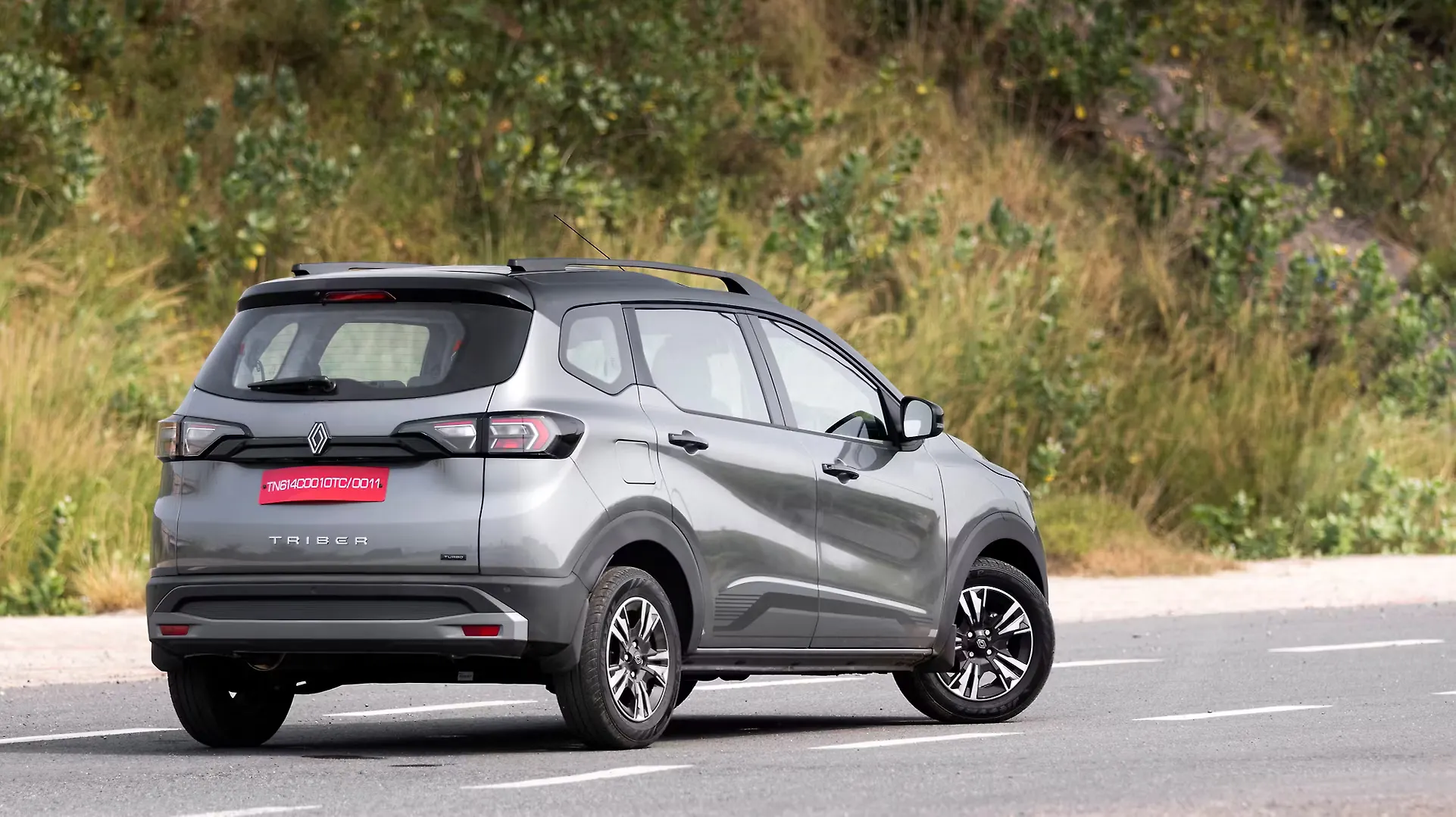
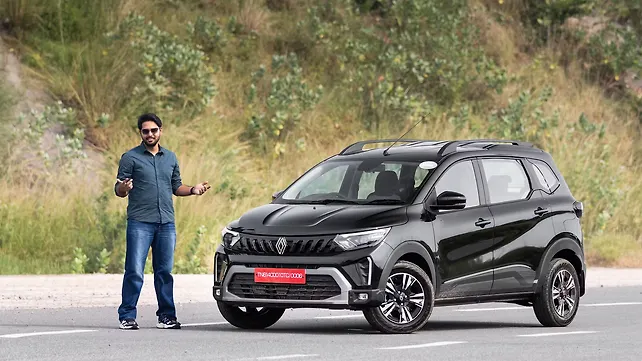
Seven years after the original Triber was launched, Renault has finally addressed that issue with the Triber Turbo. The 1.0-litre three-cylinder engine now gets a turbocharger and produces 99bhp and 180Nm. It is paired with a five-speed manual gearbox, while Renault is also considering a CVT for the future. Renault claims a 0-100kmph time of 10.8 seconds.
On paper, these numbers look promising. But this isn’t really about making the Triber fast. It is about making it feel effortless, especially when it is carrying seven people. And that is exactly what I wanted to find out.
Exterior
There aren’t any dramatic visual changes to distinguish the Turbo from the latest Triber facelift. And honestly, that isn’t a bad thing. Renault has retained the compact dimensions and familiar design while concentrating its efforts underneath the skin.
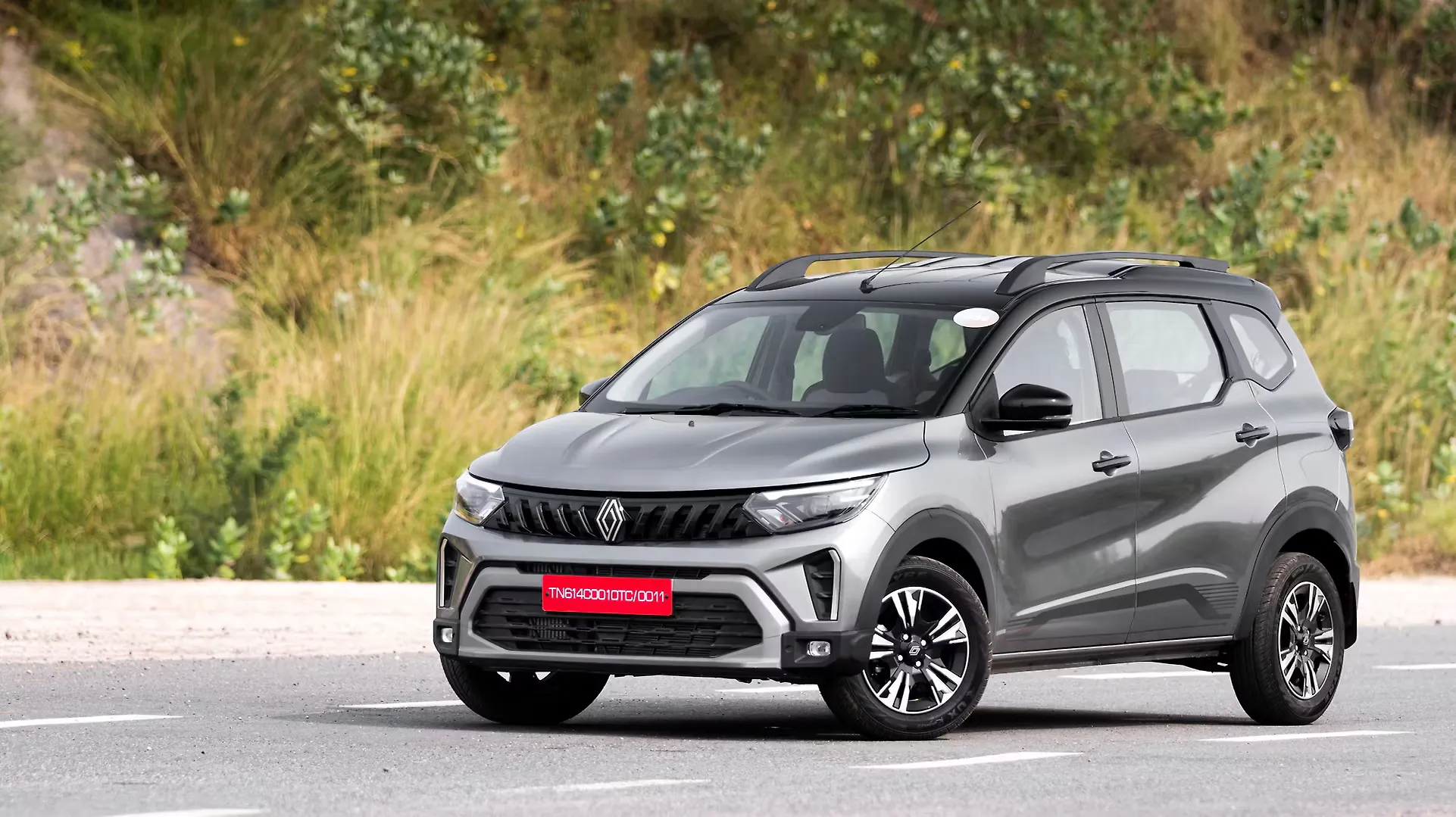
The Turbo is around 80kg heavier than the naturally aspirated version, but the additional weight isn’t simply down to fitting a turbocharger.
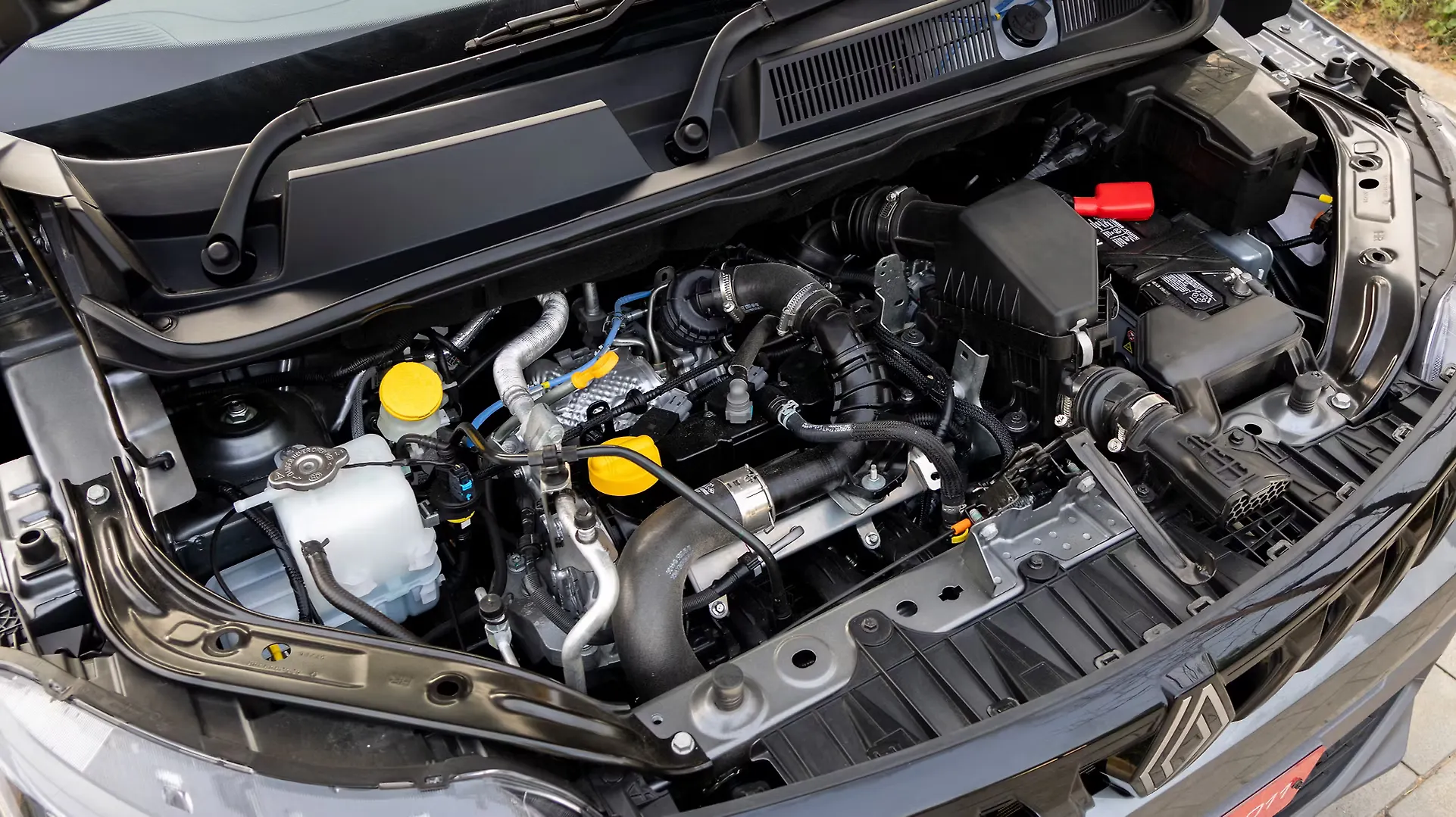
Renault has made several structural and thermal management changes to accommodate the new powertrain. The thermal management system gets 35 per cent more air intake, while the cooling fan system, developed with Bosch, is designed to handle the additional heat generated by the turbocharged engine.
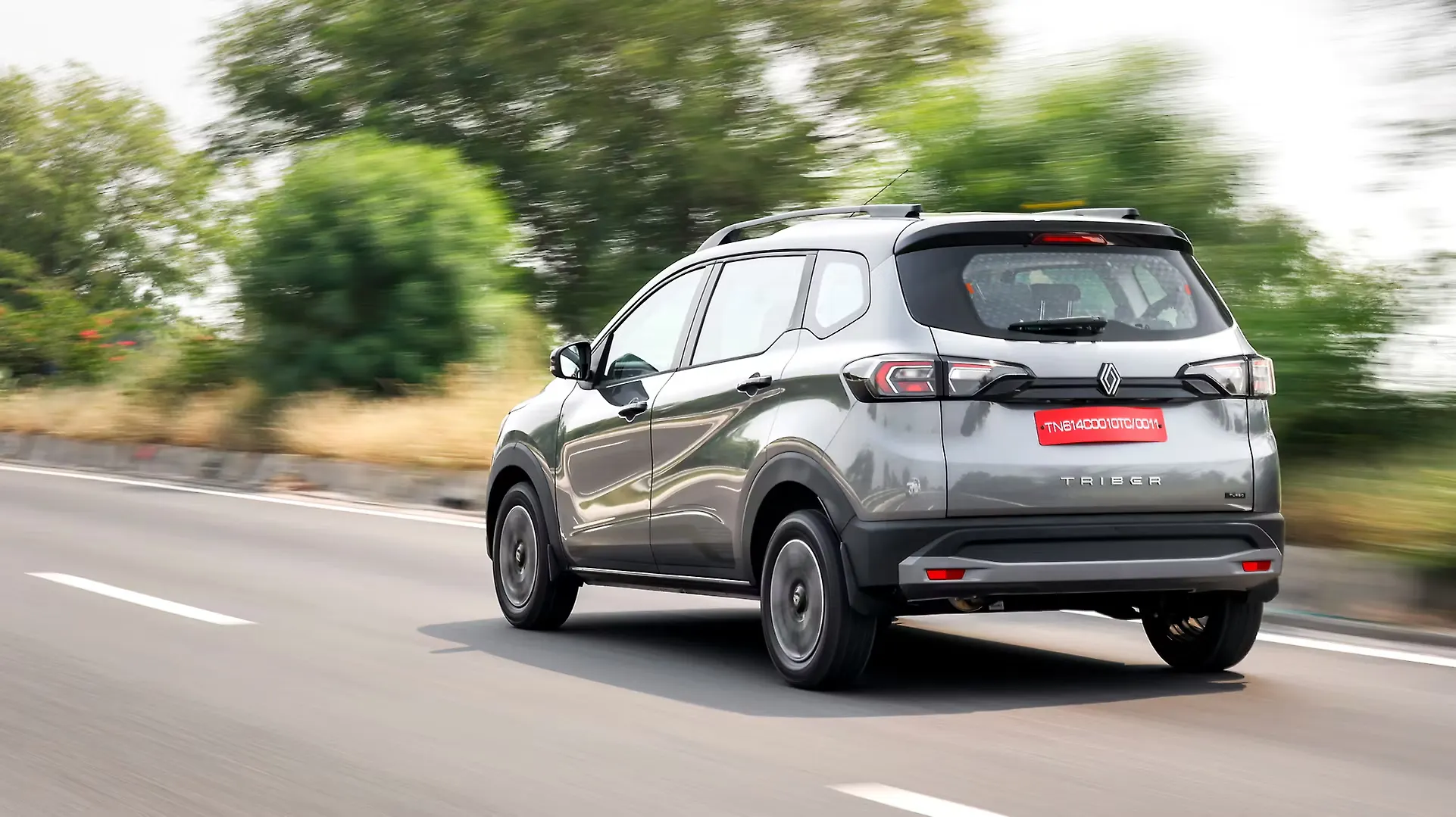
Renault says the Triber Turbo has undergone around 10 months of testing, including extreme conditions in Chennai and at Khardungla Pass. So this isn’t simply a case of putting a turbo engine into the existing car and calling it a day.
The challenge was to make the Triber more capable without compromising the packaging that made it popular in the first place. And on that front, the basic formula remains unchanged.
Interior and features
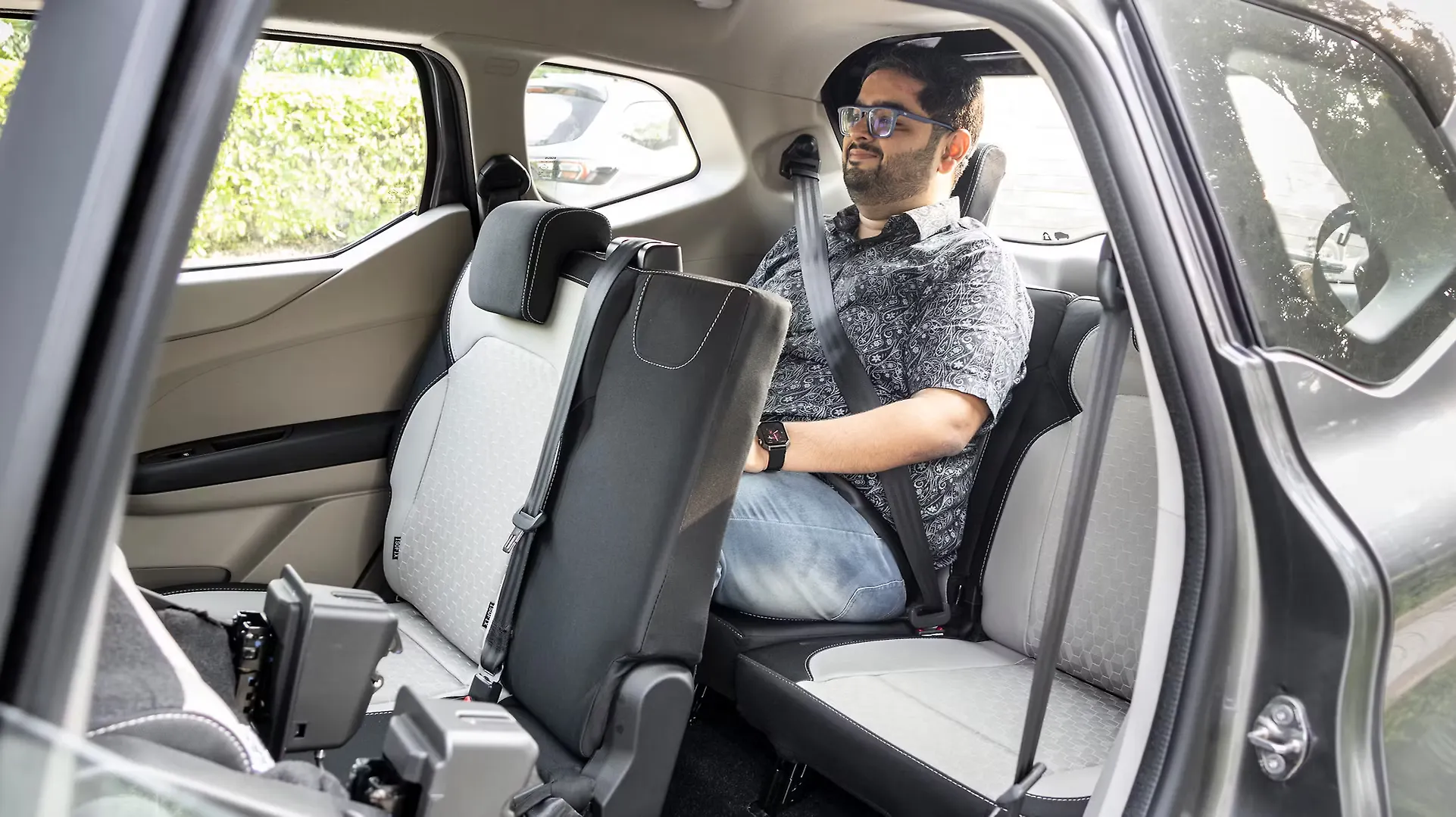
The biggest strength of the Triber remains its cabin, and the Turbo doesn’t change that. It continues to offer seven seats in a compact footprint, with the same flexible seating arrangement that allows the cabin to be configured according to the number of passengers and amount of luggage you are carrying.
The second row gets a one-touch fold and tumble function, making access to the third row easier. Fold it down completely and the boot capacity can increase to 1,065 litres.
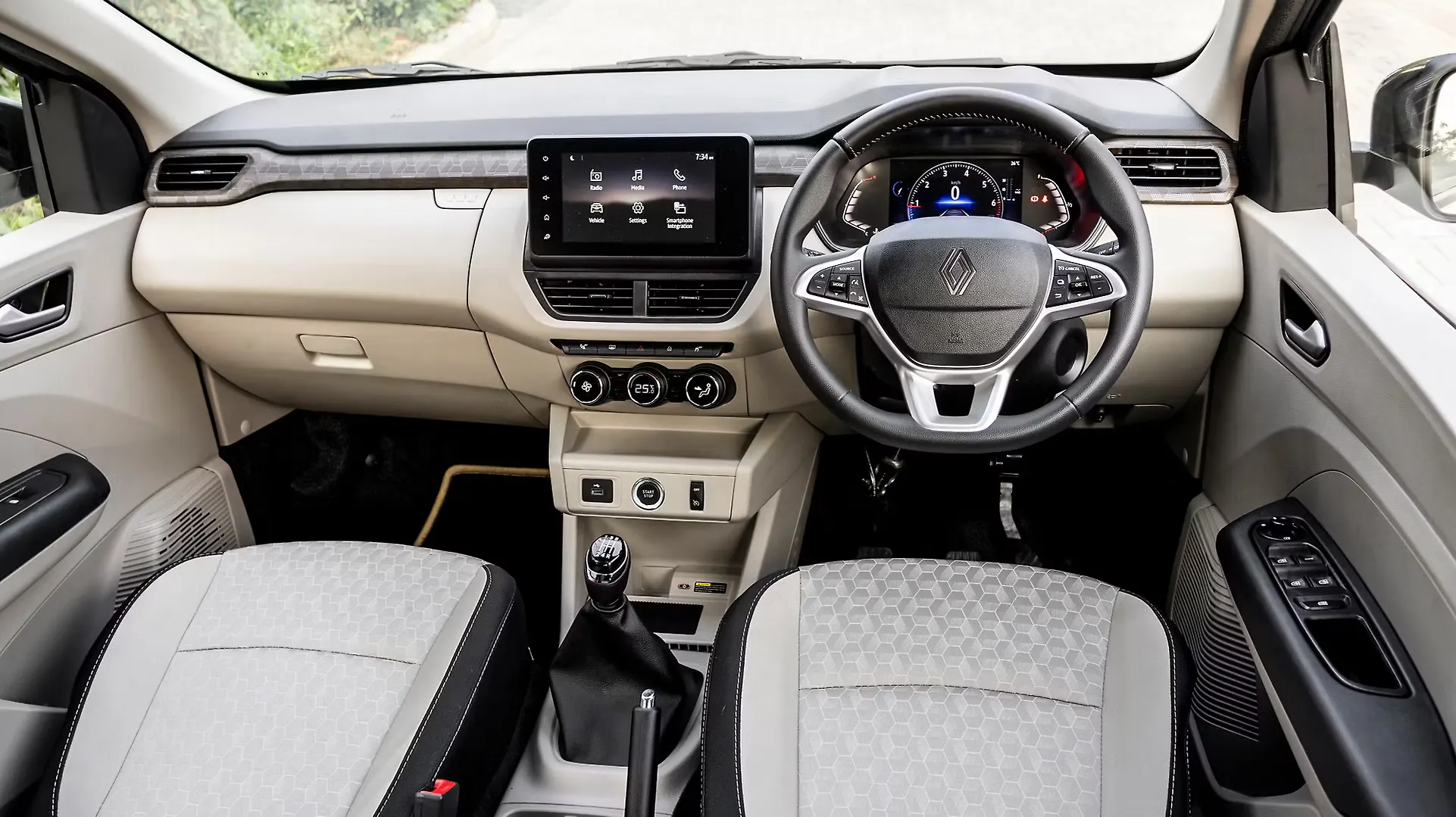
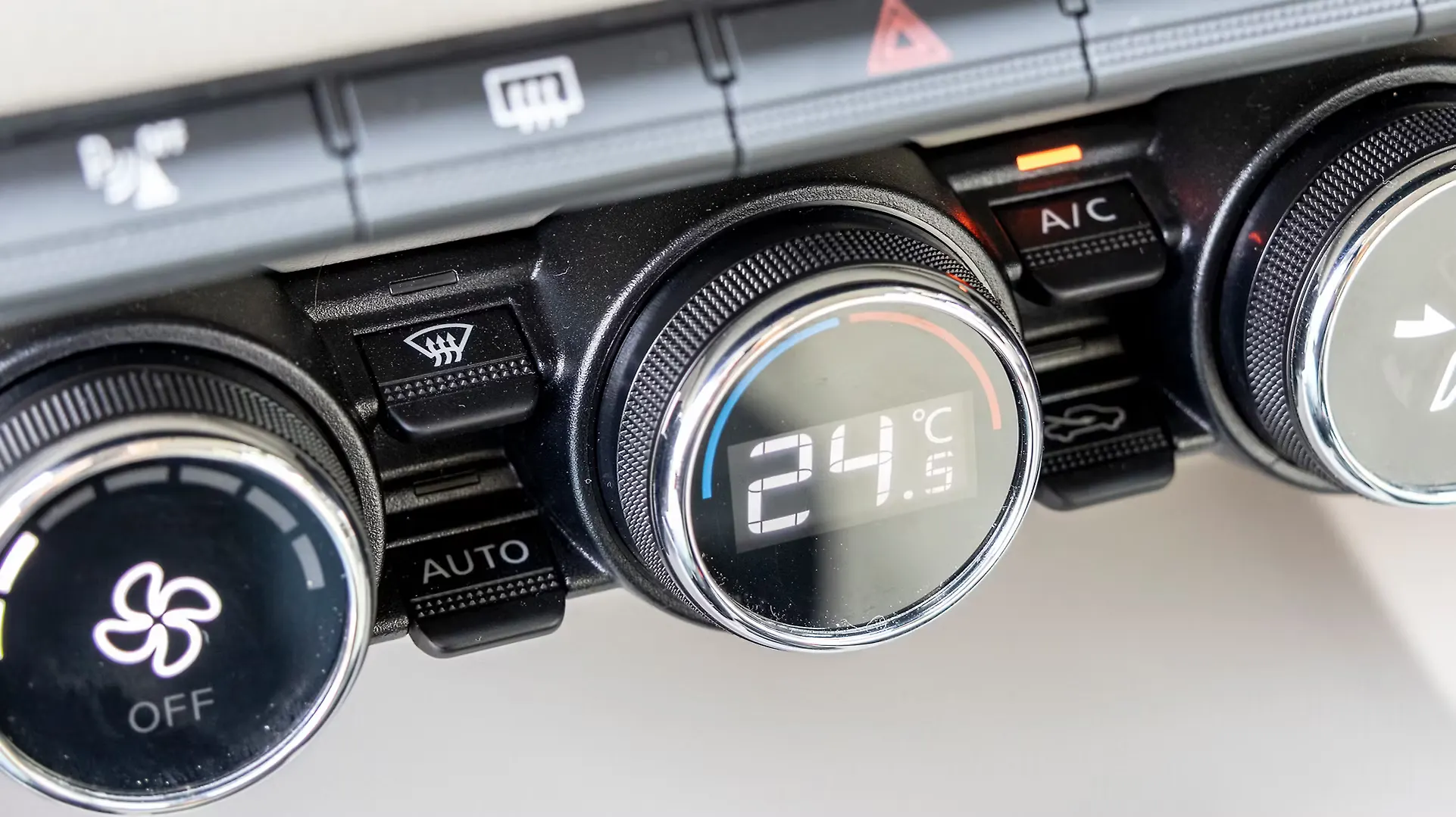
Renault has also been gradually adding more equipment to the Triber. The top-spec Emotion now gets automatic climate control, while the Evolution gets steering-mounted controls, a day-night IRVM and a rear room lamp.
The Techno adds a driver’s seat armrest, height adjustment for the driver’s seat, rear defogger, electrically folding ORVMs, front tweeters and a 12-volt socket for third-row occupants.
None of these features fundamentally changes the Triber, but they make it a more complete family car. And importantly, Renault hasn’t had to sacrifice the Triber’s clever packaging to accommodate the new engine.
Engine and Powertrain
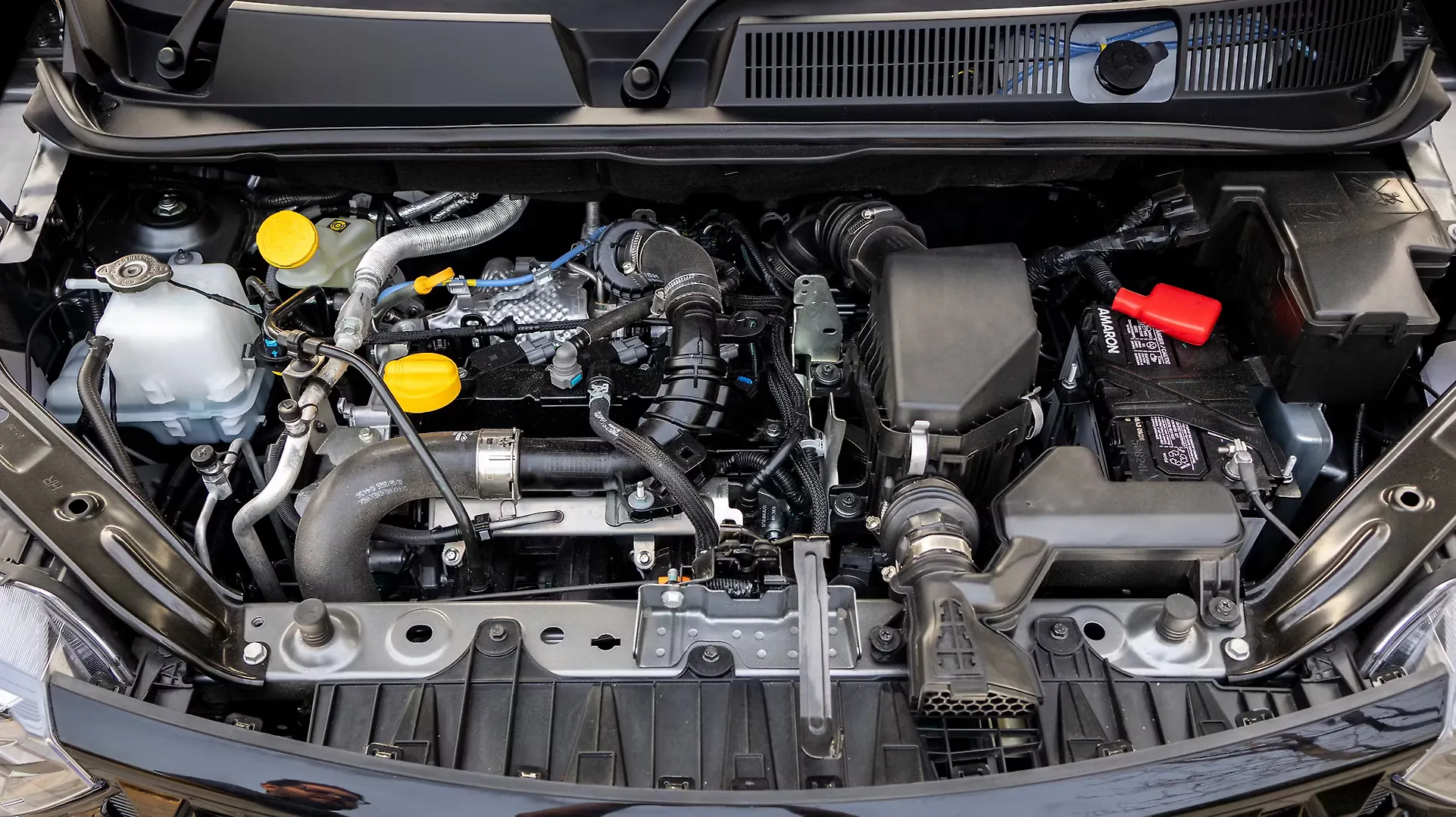
This is where the Triber Turbo feels completely different. The 1.0-litre turbo-petrol engine produces 100PS and 180Nm, which is a significant jump over the naturally aspirated engine’s 71bhp and 96Nm.
The difference isn’t just noticeable on paper. The moment you get moving, the Turbo feels much more eager. The acceleration lag and the struggle we experienced with the naturally aspirated Triber are nowhere to be seen.
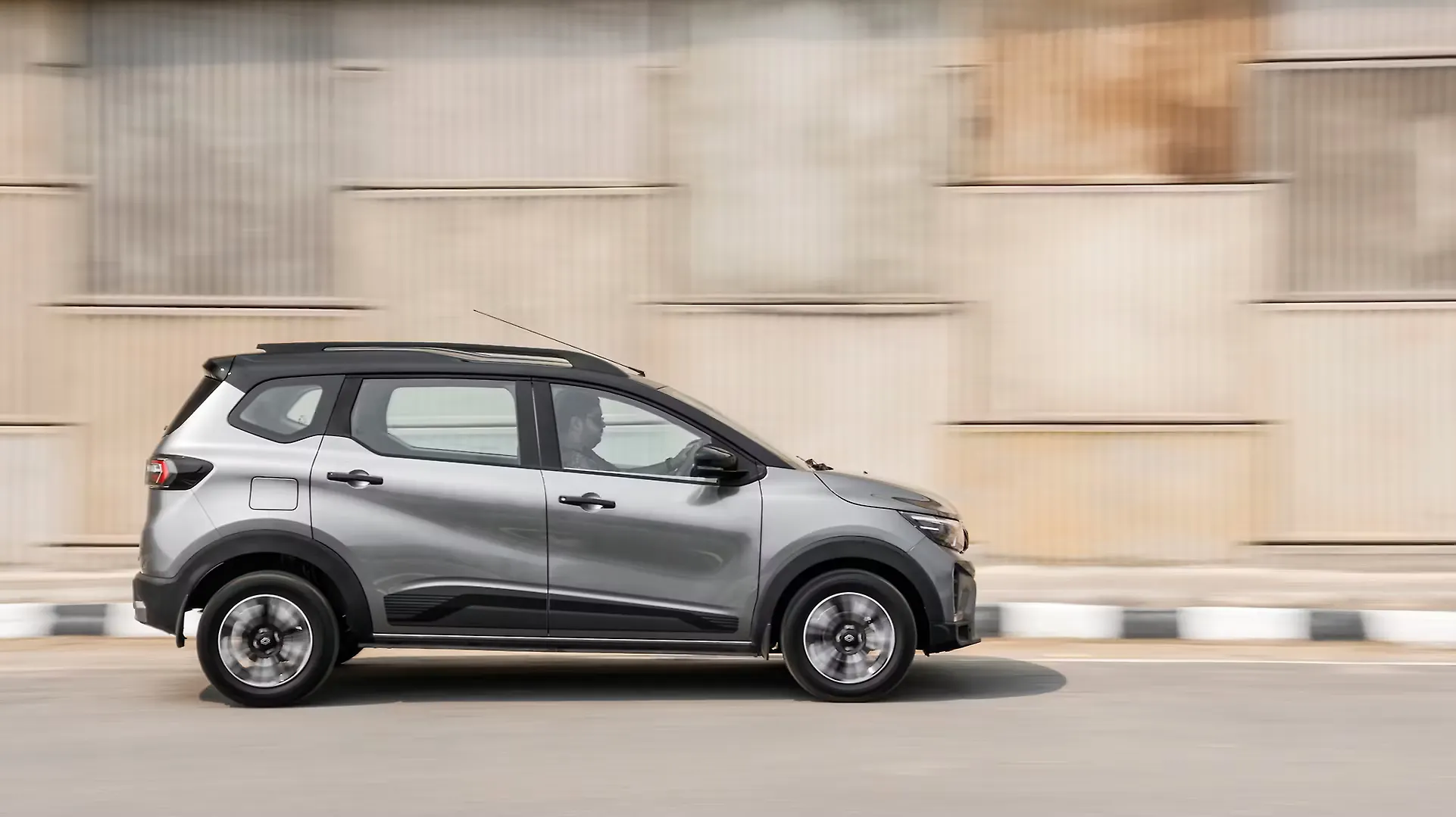
In fact, the turbo changes the entire character of the car. In the way it responds to throttle inputs and builds speed, it feels more like a Kiger than the Triber we have driven before.
The first three gears are where the engine feels particularly lively. It pulls strongly in first, second and third, almost catapulting the car forward when you get on the throttle. From third to fifth, the pace builds more progressively.
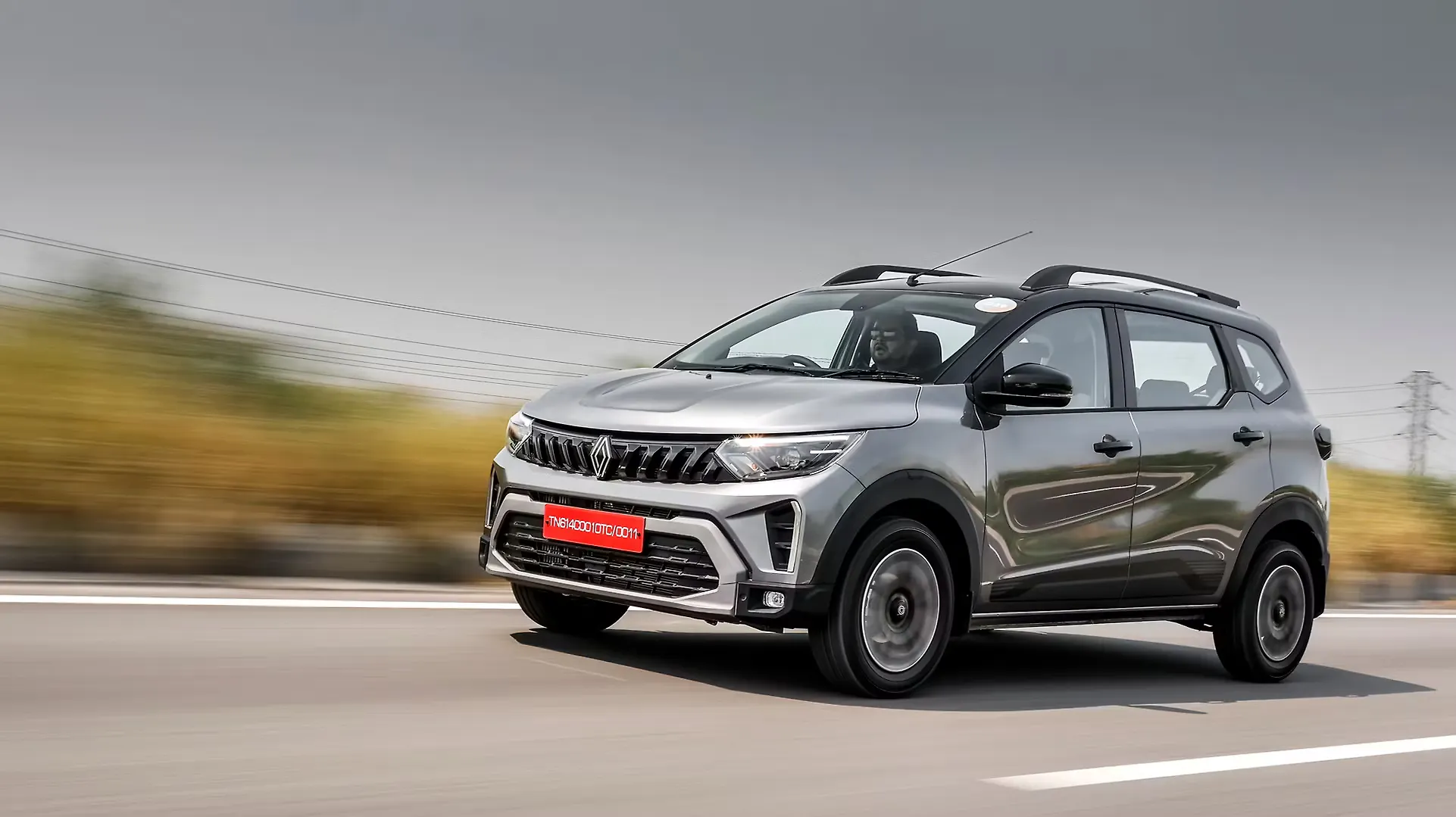
And this is where the 180Nm makes the biggest difference. You don’t have to constantly plan your overtakes or build momentum before an incline. There is simply more response when you ask the car to accelerate.
The five-speed gearbox is reasonably well matched to the engine, although the lack of a sixth gear is noticeable on the highway. At cruising speeds, an additional ratio would have allowed the engine to settle down a little more.
For now, the manual is the only gearbox available, although Renault is considering a CVT.
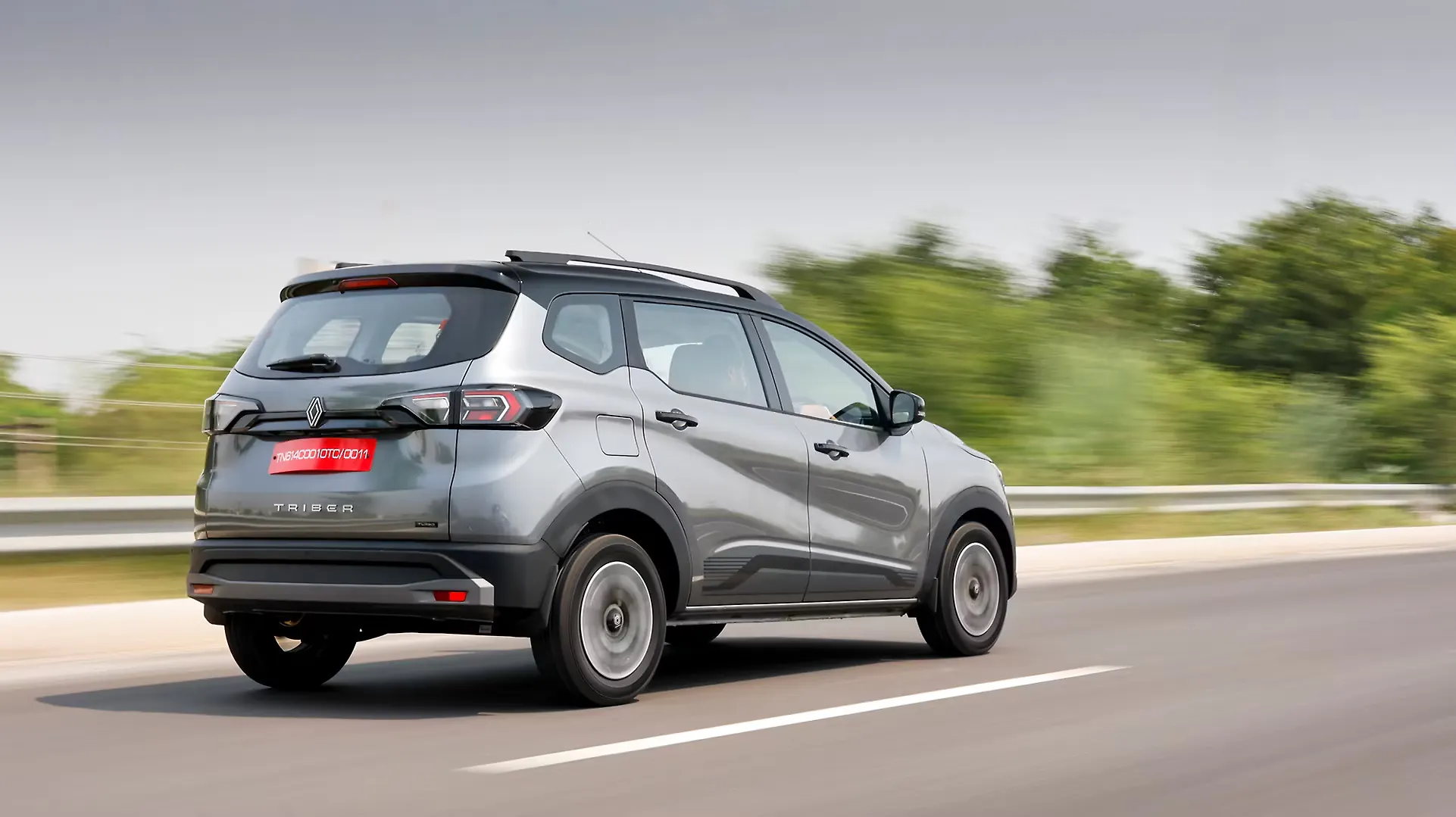
Renault also claims a fuel efficiency figure of 21kmpl, which it says makes the Triber Turbo the most fuel-efficient seven-seater in India. We will reserve judgement on that until we put it through our real-world testing.
Ride and Handling
The additional power meant Renault also had to make sure the Triber could handle the extra performance.
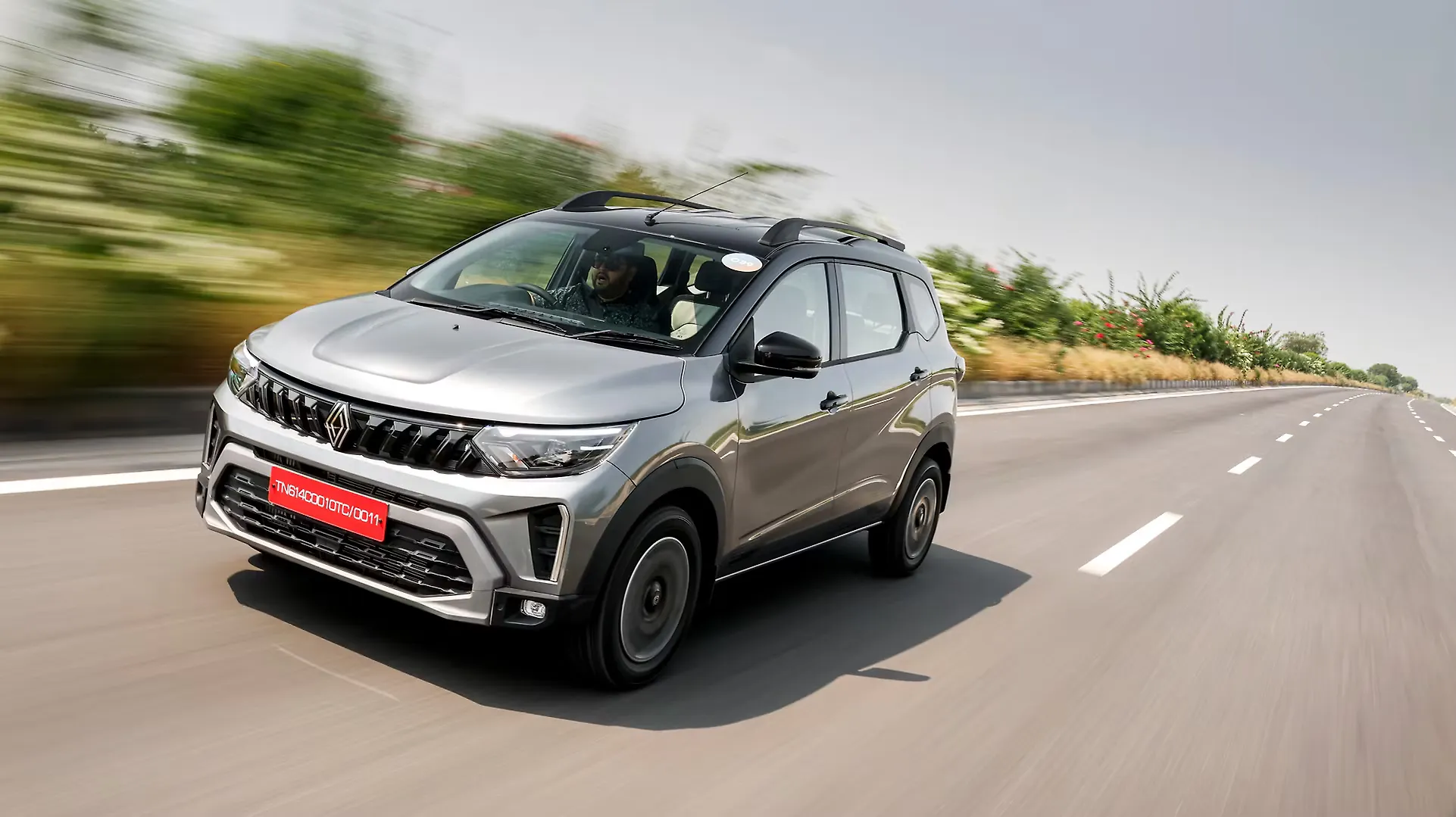
The Turbo gets revised springs, optimised damper tuning and anti-roll bars at both the front and rear. The braking system has also been recalibrated, with changes to the ABS, traction control and Vehicle Dynamic Control. Renault claims a 100-0kmph stopping distance of 39 metres.
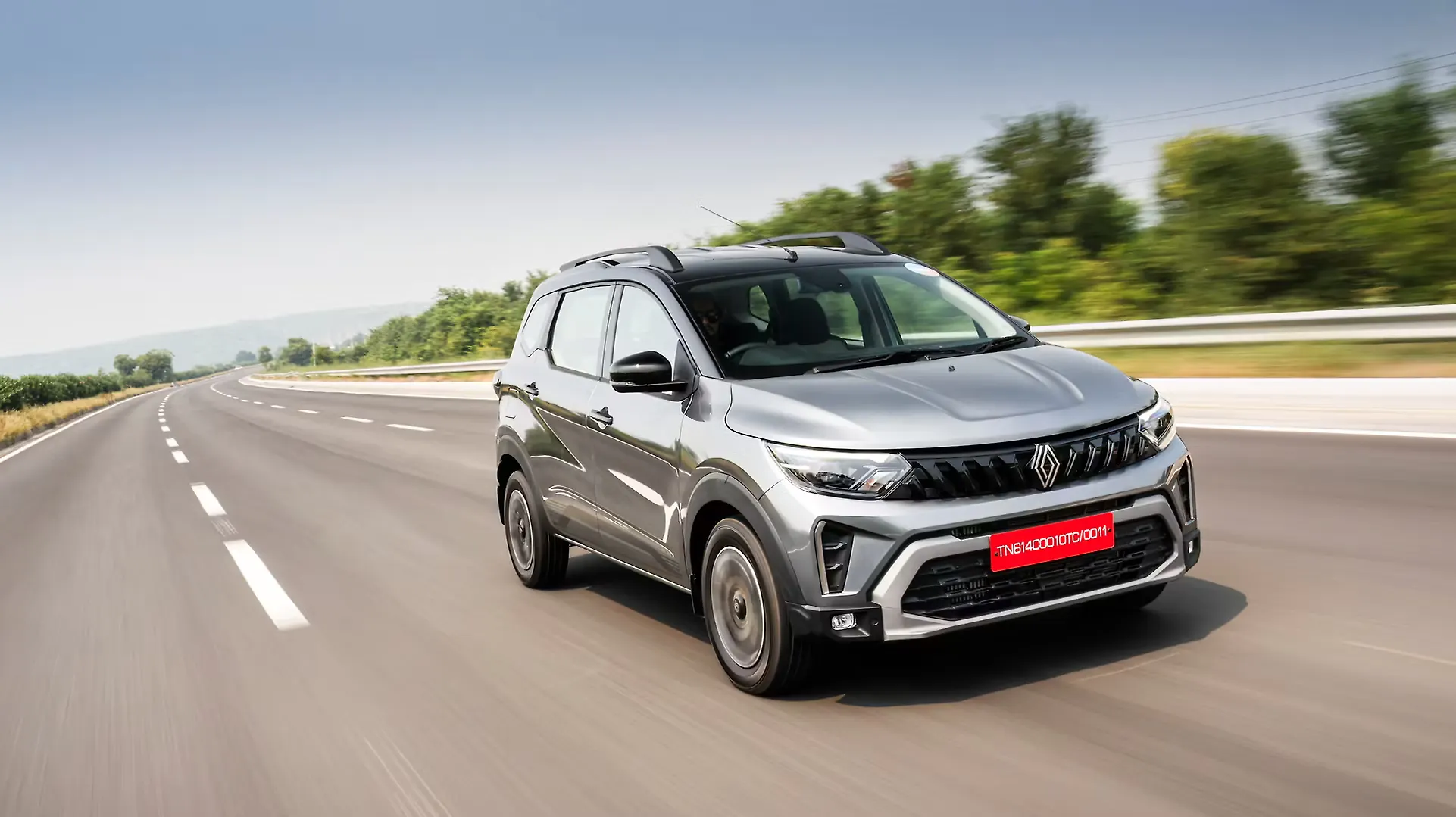
Out on the road, the chassis feels tight and well controlled. There is a nice balance to the ride, and despite the additional weight, the Triber doesn’t feel cumbersome.
The steering is extremely light at low speeds, which is useful in the city, but it gradually gains weight as you pick up speed. More importantly, it feels sensible rather than vague, making the car easy to place on the road.
The biggest surprise is how well the chassis works with the new engine. The Triber feels considerably more willing without becoming nervous or unwieldy.
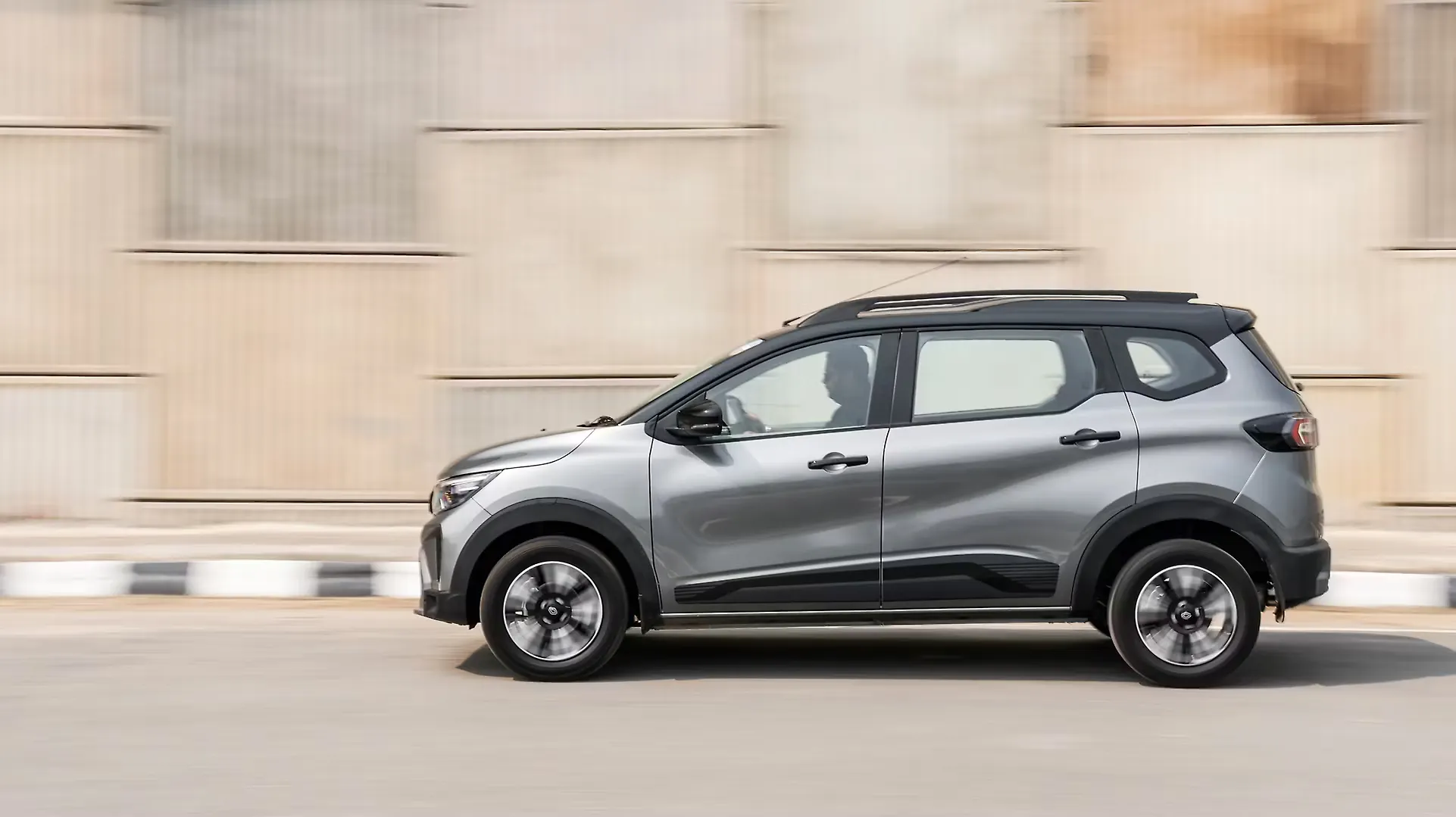
It still drives like a compact family car, but there is now a sense that the chassis has enough headroom to deal with the performance on offer.
The real test, of course, will be a full seven-person load with luggage, because that is where the Turbo’s additional torque should make the biggest difference.
Verdict
The Triber was never a bad car. Its basic idea was always very good: take a compact footprint, make clever use of the cabin and give families seven seats without moving into a much larger MPV.
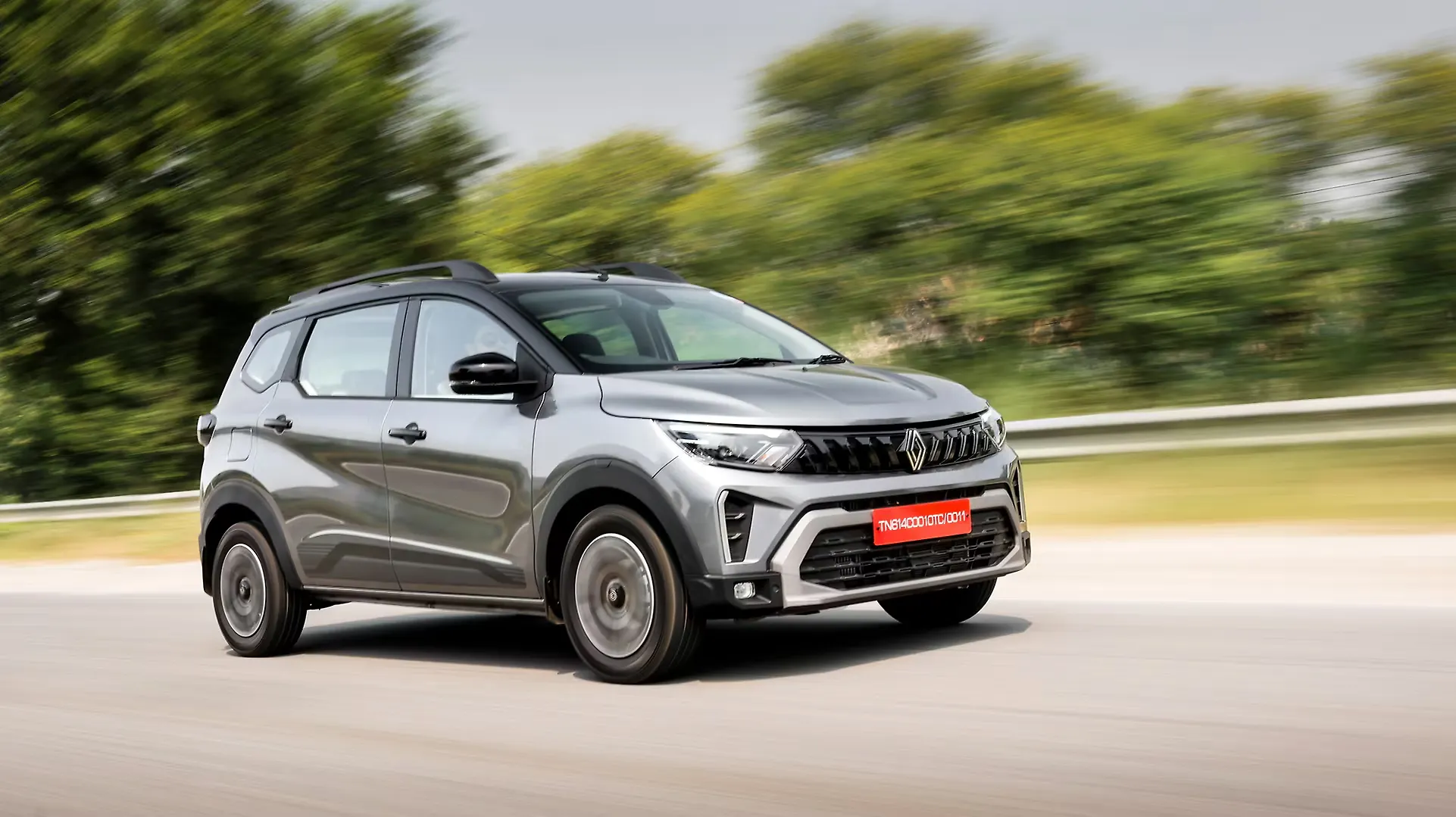
The problem was that the engine didn’t always match that ambition. The Turbo changes that. With 100PS and 180Nm, the Triber feels significantly more eager, particularly through the first three gears. The revised suspension and chassis also give it the control needed to make better use of the additional performance.
It hasn’t lost what made it appealing in the first place. It is still compact, practical, flexible and capable of seating seven. It just doesn’t feel like it is constantly asking you to make compromises with the engine.
The Triber Turbo starts at Rs. 7.84 lakh for the Evolution, while the Techno and Emotion are priced at Rs. 8.53 lakh and Rs. 8.99 lakh, respectively. So even the top-spec version remains below Rs. 9 lakh.
Renault is also considering a CVT and is working on a CNG version, which could make the Triber an even more interesting proposition if the clever packaging is retained.
But for now, the biggest takeaway is simple. The Triber hasn’t been transformed into a performance car. It didn’t need to be. It has simply been given the engine it needed to make the rest of the package work better.