


Introduction
The Renault Duster hasn't really sold well since the initial hype surrounding its launch died down. There were two main reasons for that. One, it was expensive for what it offered. And two, it didn't have the right powertrain options. You got two turbo-petrol engines, but the smaller 1.0-litre unit didn't even come with an automatic. There was no diesel, no CNG and no hybrid.
Renault wants to fix that with this, the Duster Hybrid. The company calls it a diesel killer and believes this is the one you want. But is it really that good?
Exterior
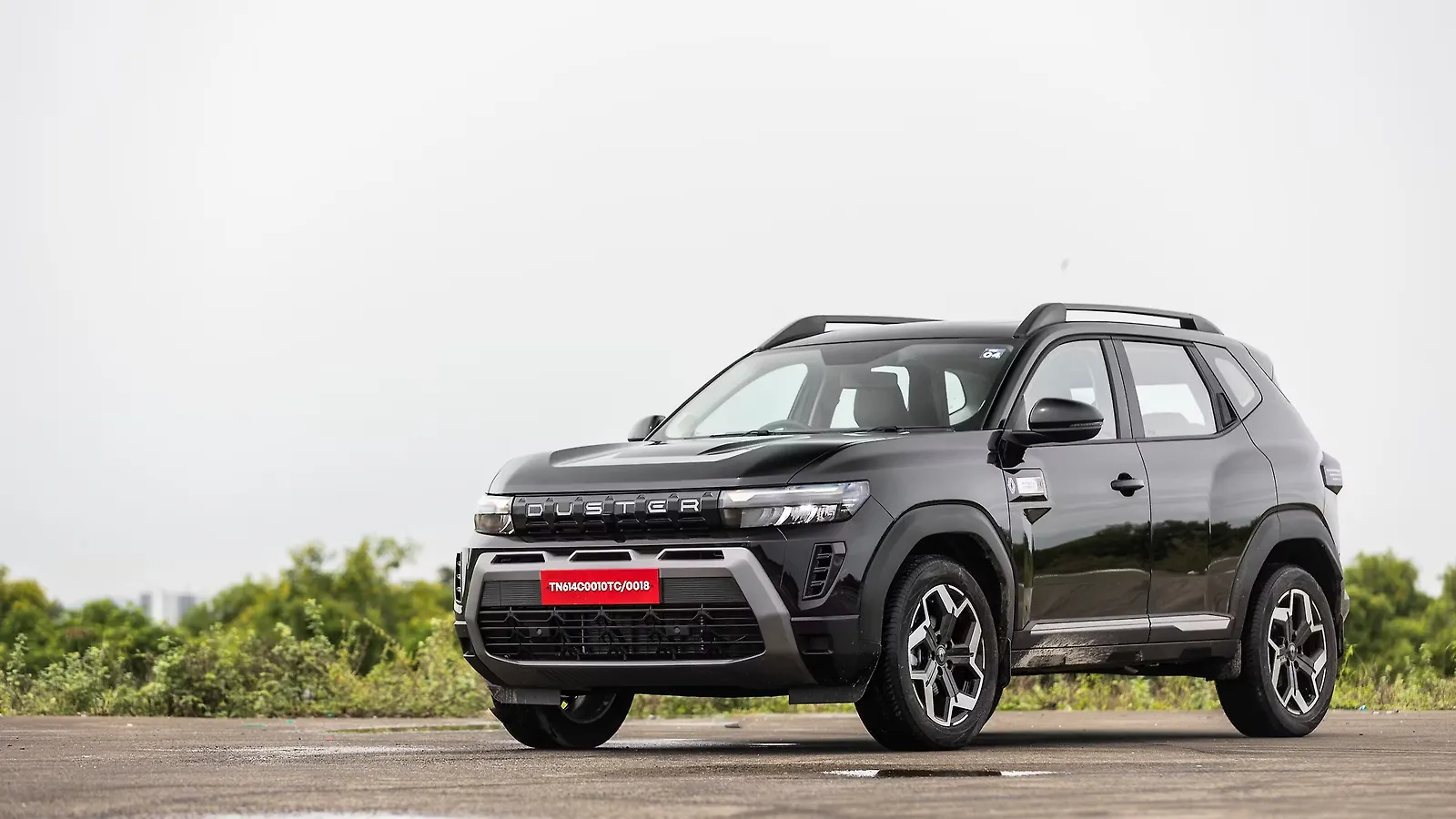
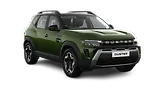
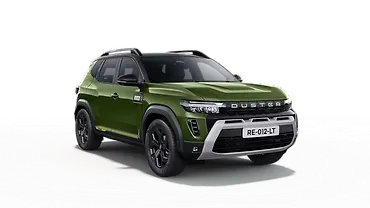
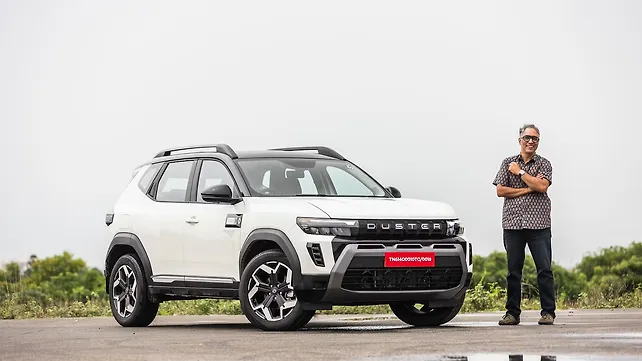
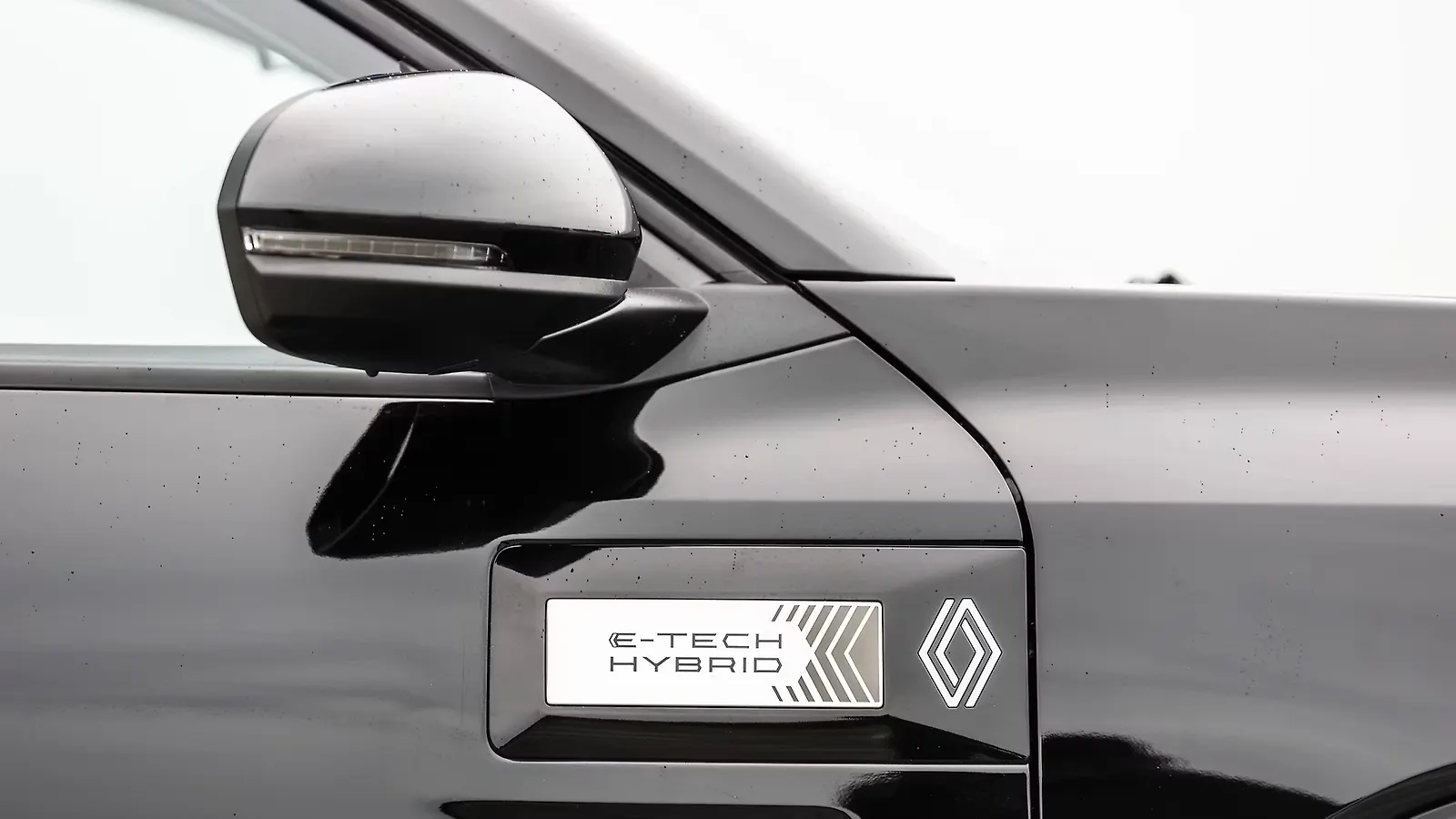
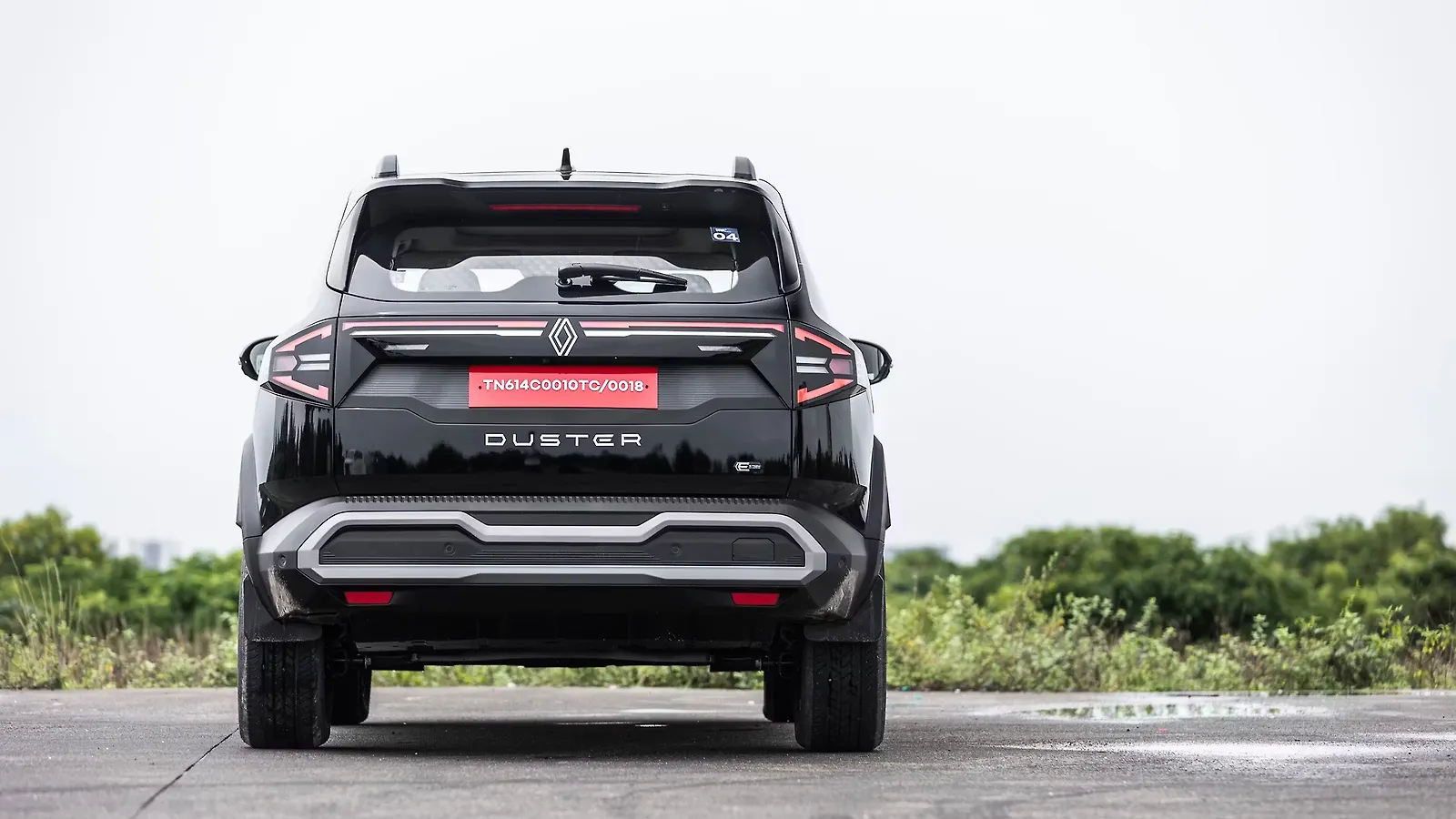
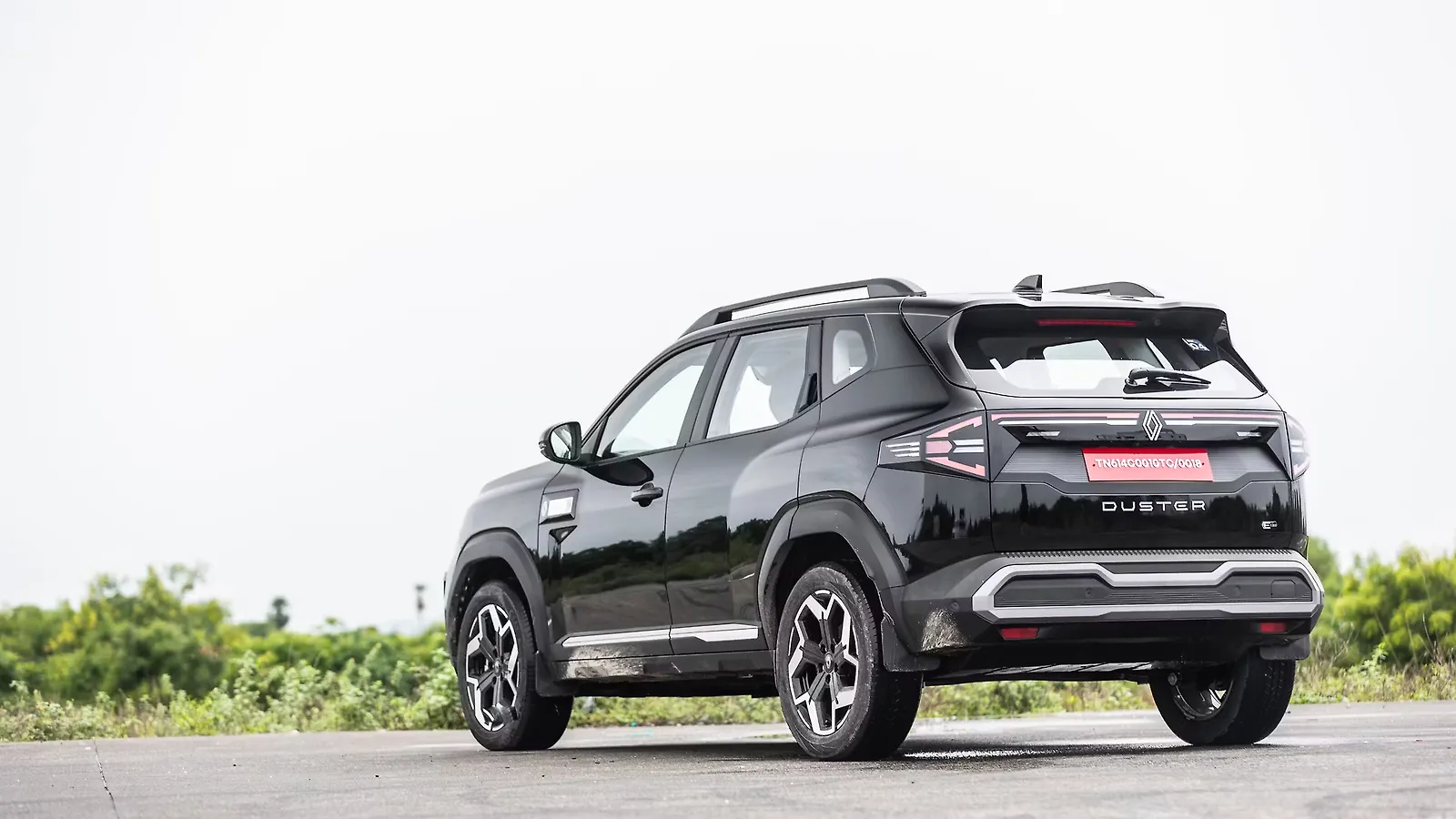
There isn't much to tell the Duster Hybrid apart from its siblings. It uses the same chassis, retains the same design and gets no significant mechanical changes that are visible from the outside. The only real identifiers are a Duster logo that lights up every time you lock or unlock the car but remains turned off otherwise, and two sets of E-Tech Hybrid badges. There's a rather prominent one on the front doors and a smaller one on the boot.
You still get the 18-inch wheels, connected tail lamps, roof rails and that compact, upright stance. The proportions remain handsome, and the generous ground clearance gives it the sort of sporty, purposeful appearance that makes the Duster desirable in the first place. It looks like an SUV that would suit a young nuclear family quite well.
Interior
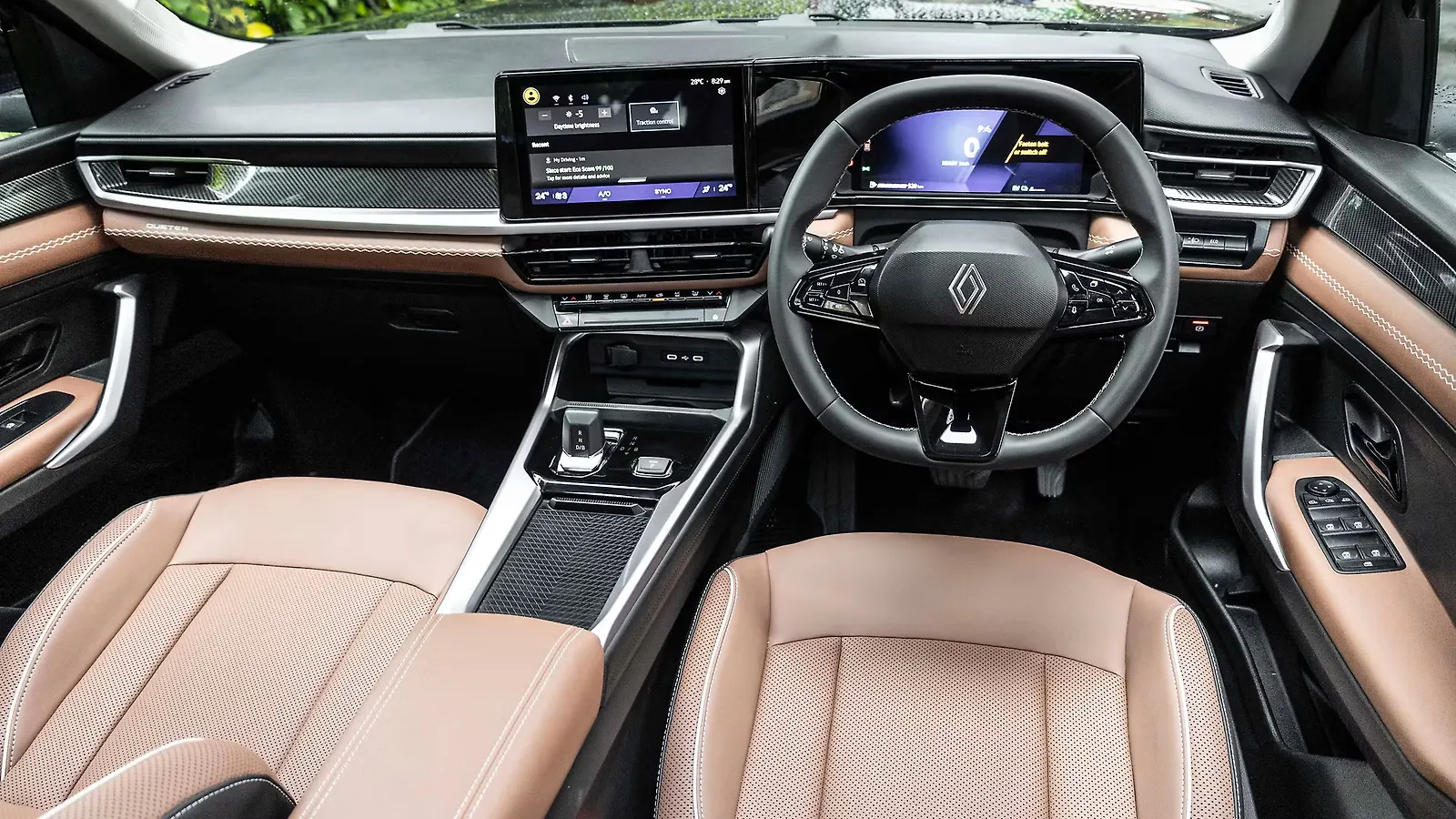
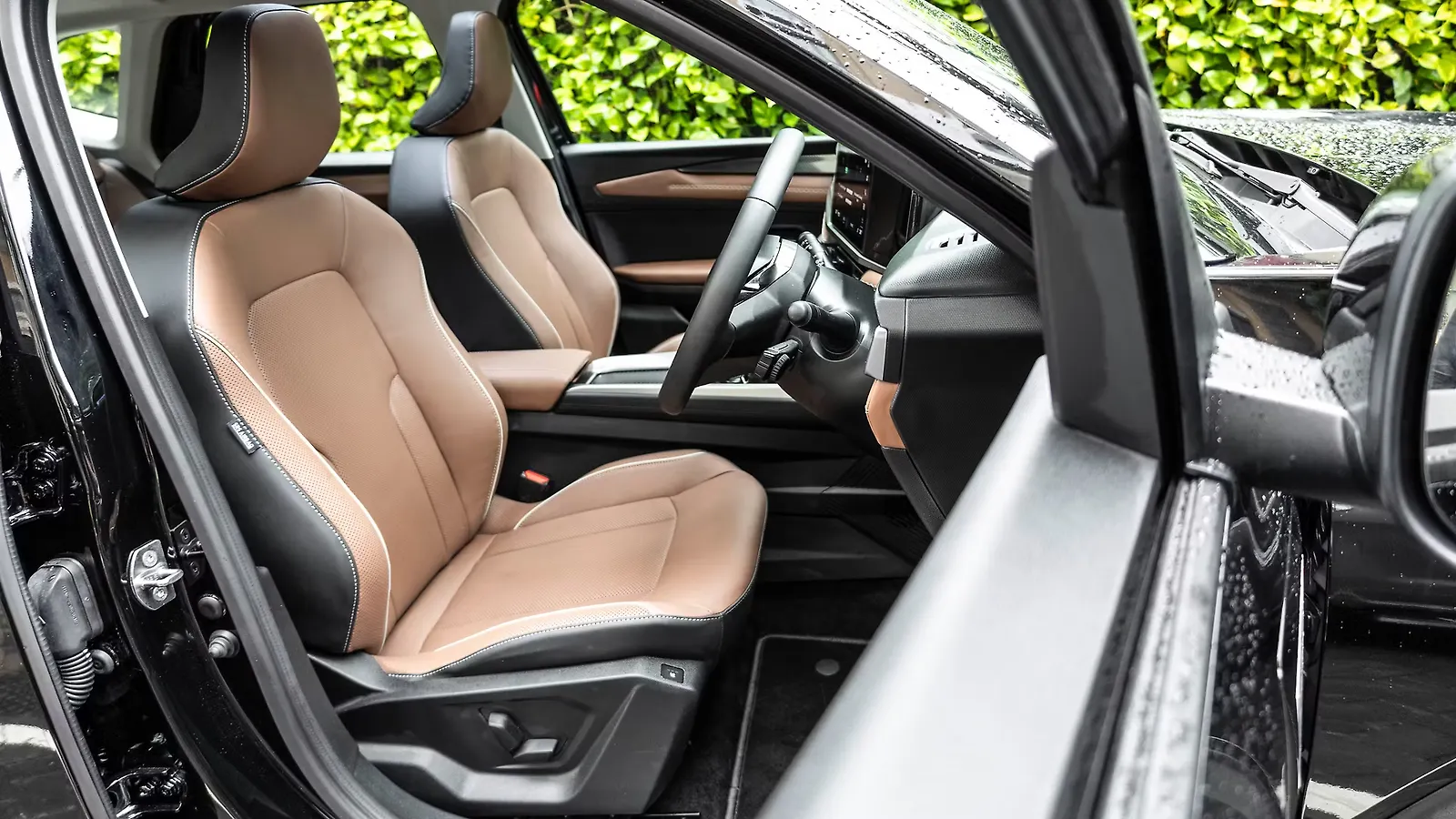
The biggest change inside the Duster Hybrid is the switch from black upholstery to a tan interior. It makes the cabin feel warmer, more welcoming and a little more luxurious than the more technical-looking interiors of the 1.3-litre and 1.0-litre versions.
Unfortunately, the improvement in ambience doesn't extend to the overall quality. The fit and finish remain questionable, with a mix of good-quality materials and plastics that feel decidedly cheap. There are also uneven panel gaps in places. As a result, the Duster still doesn't feel as premium inside as some of its rivals.
There are positives, though. The front seats are good, the driving position is well judged and visibility is excellent. These are strengths that carry over from the regular Duster and make it an easy car to live with.
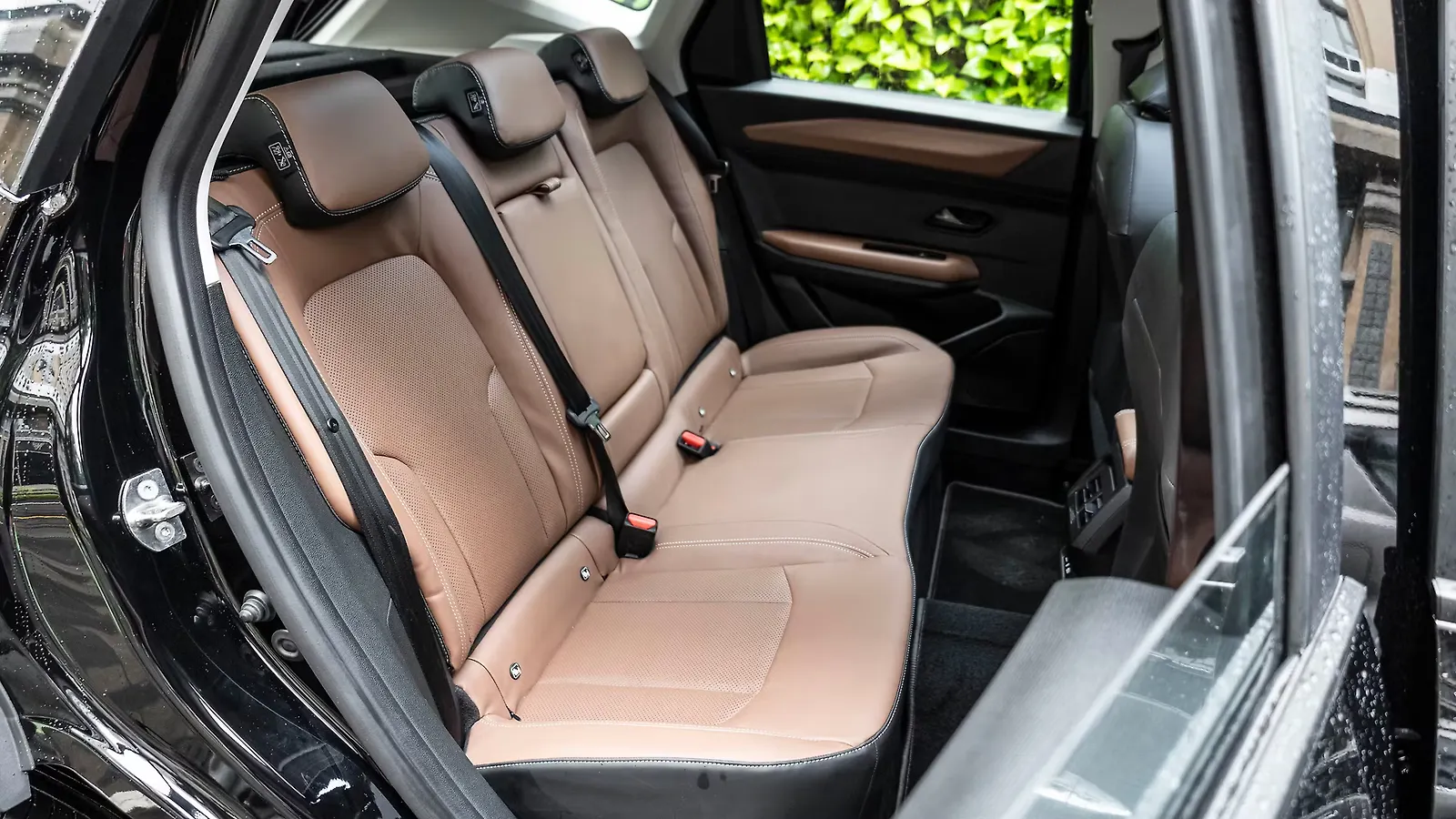
At the back, Renault has used lighter-coloured trim around the B- and C-pillars to create a greater sense of space. It helps the cabin feel airier, but doesn't change the actual room on offer. Knee room remains limited, the seat base is too soft, the backrest is a little too reclined and shoulder room isn't particularly generous.
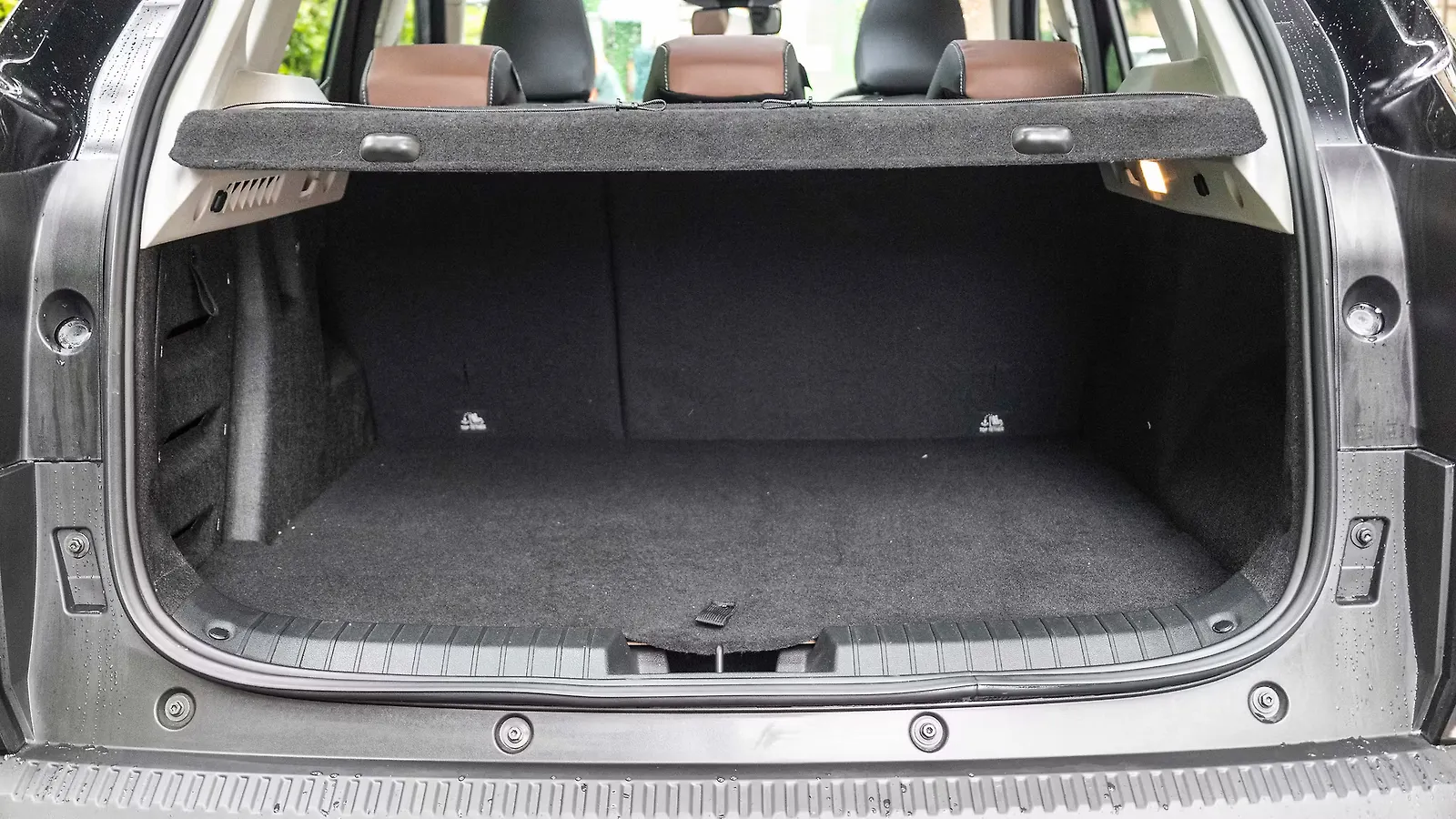
The hybrid powertrain doesn't appear to have compromised rear-seat space further, but neither does it address the Duster's existing shortcomings. It's comfortable enough for a family of four, but falls short of the roominess offered by some competitors.
Features
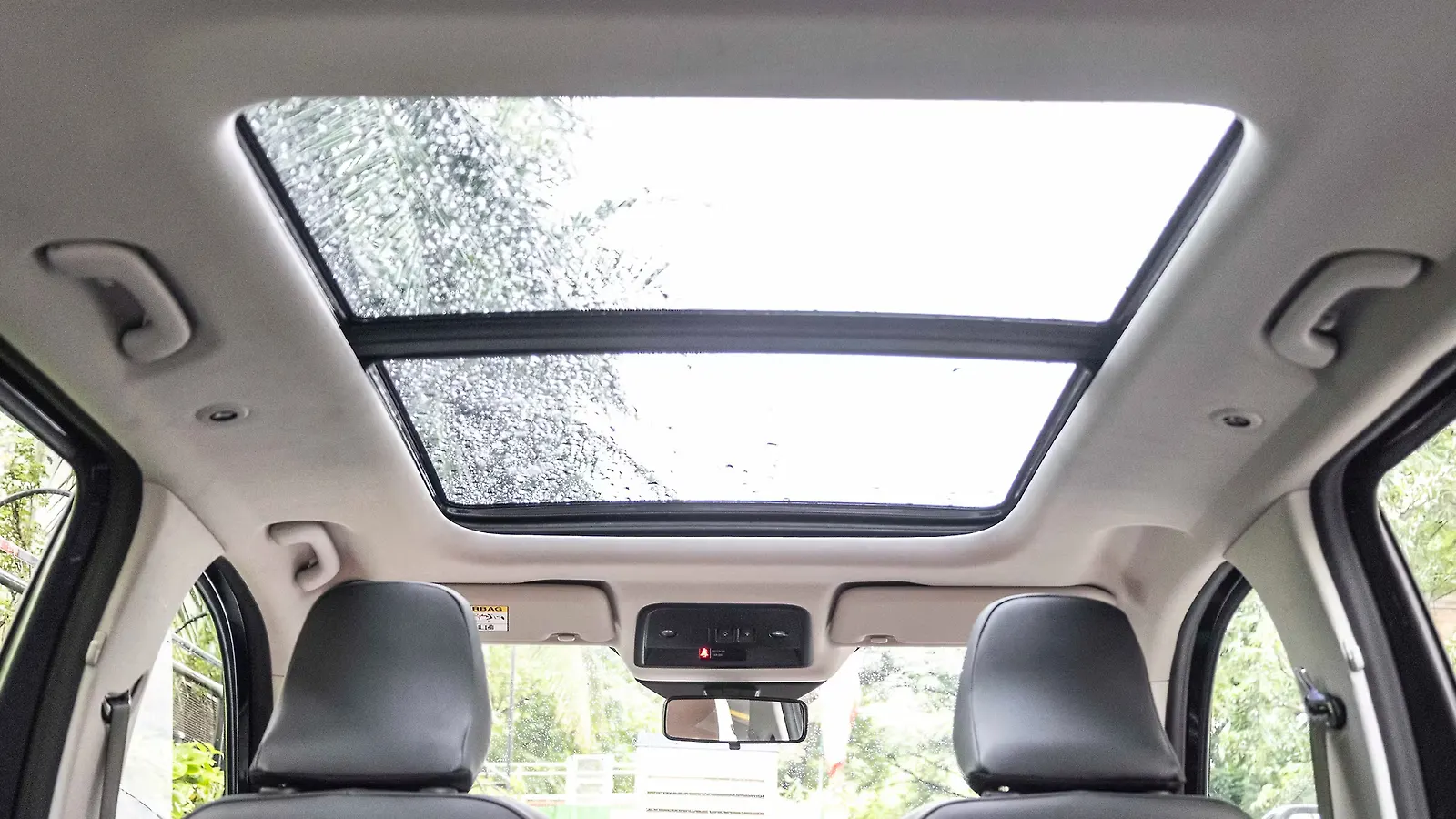
The Duster Hybrid doesn't bring a significant equipment upgrade over the other versions. In fact, when compared with the 1.3-litre version, spec for spec, the hybrid gets less equipment.
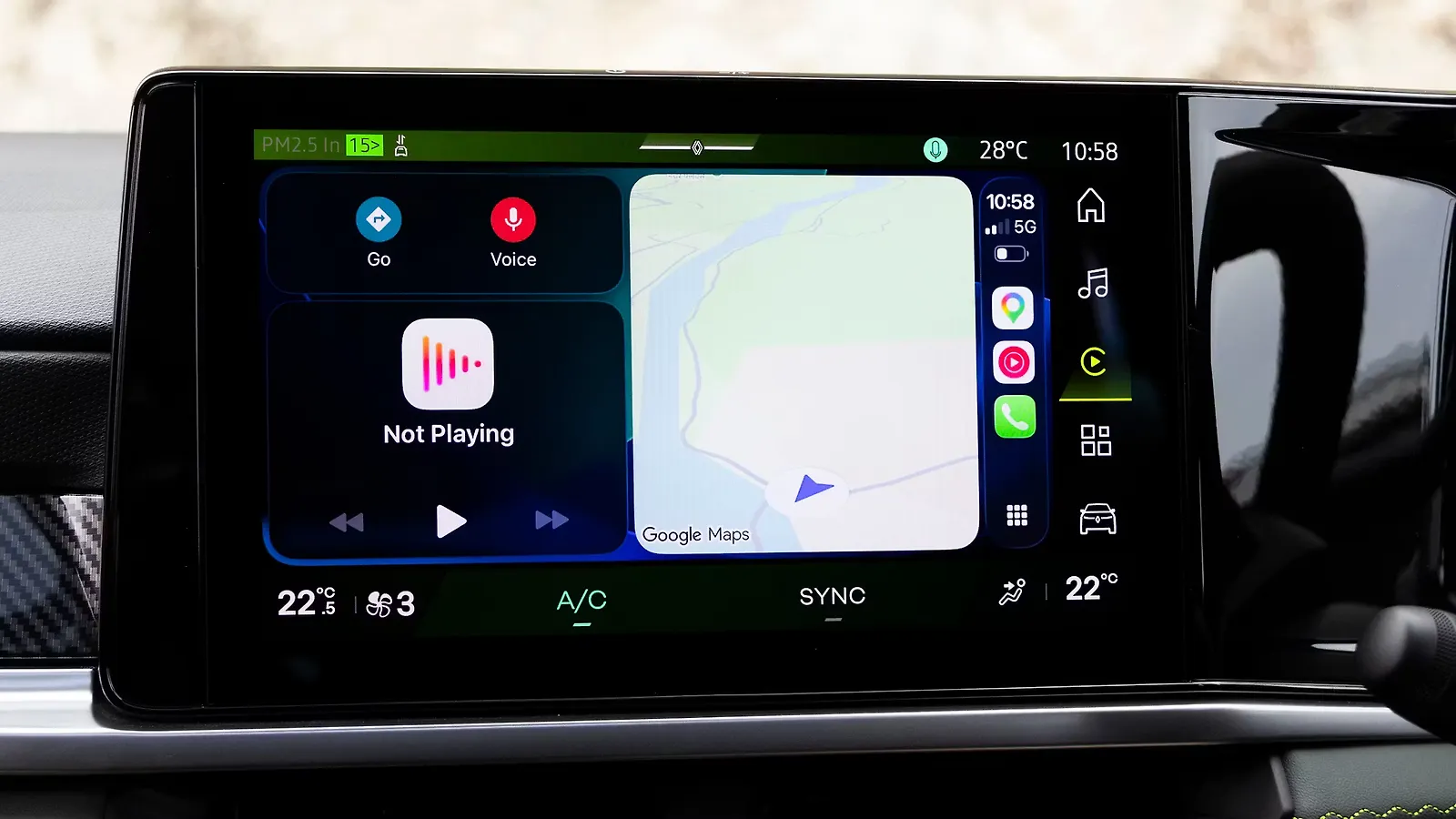
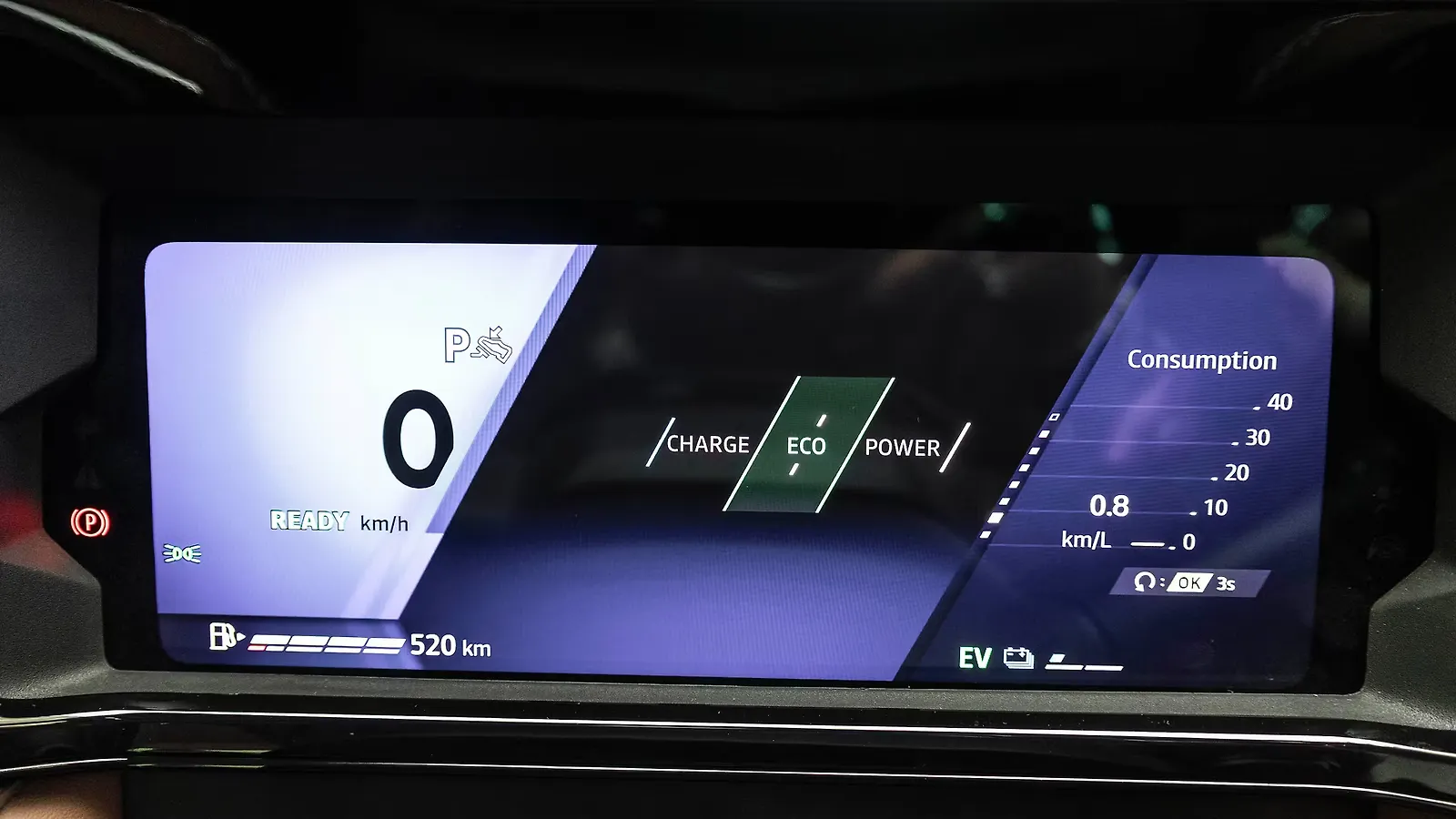
The touchscreen continues to use the same Google-based interface, but the system remains laggy. The reversing camera is basic, the IRVM is manual, and the hybrid doesn't get ADAS. You do get electrically adjustable front seats, ventilation for the front seats, steering-mounted controls and two-zone climate control for the front occupants. Rear passengers get AC vents and Type-C charging ports.
Performance
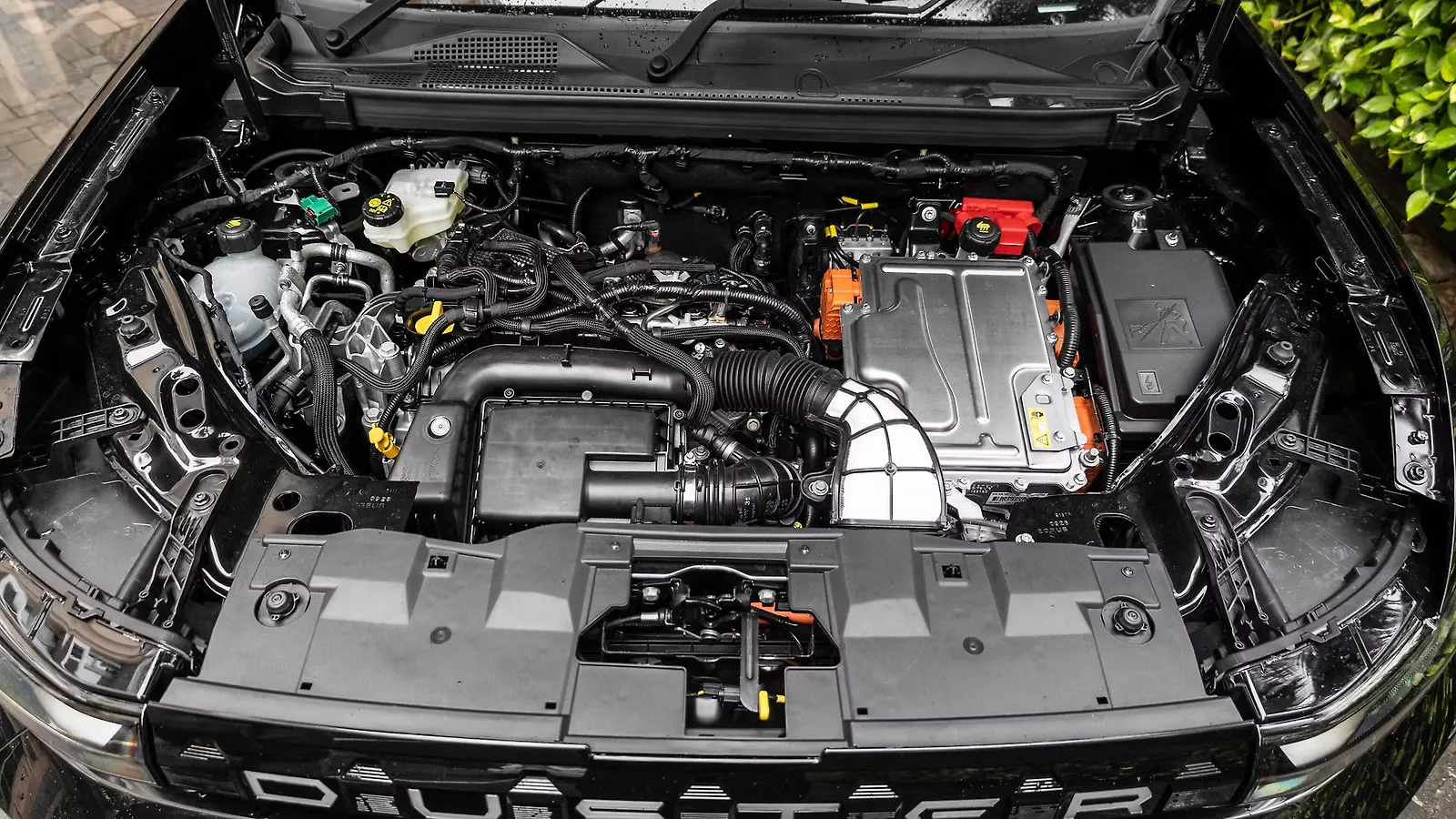
This is where the Duster Hybrid really stands out. The 1.3-litre Duster is already a quick and enjoyable SUV to drive. The hybrid, however, feels even more rounded, particularly in the city. It is quiet at low speeds, responds instantly to throttle inputs and feels lighter and more powerful than its specifications might suggest.
That's because the electric motor does much of the work at lower speeds. The system tries to run in EV mode for as long as possible, either using battery power alone or operating in series-hybrid mode, where the engine runs to generate electricity and charge the battery.
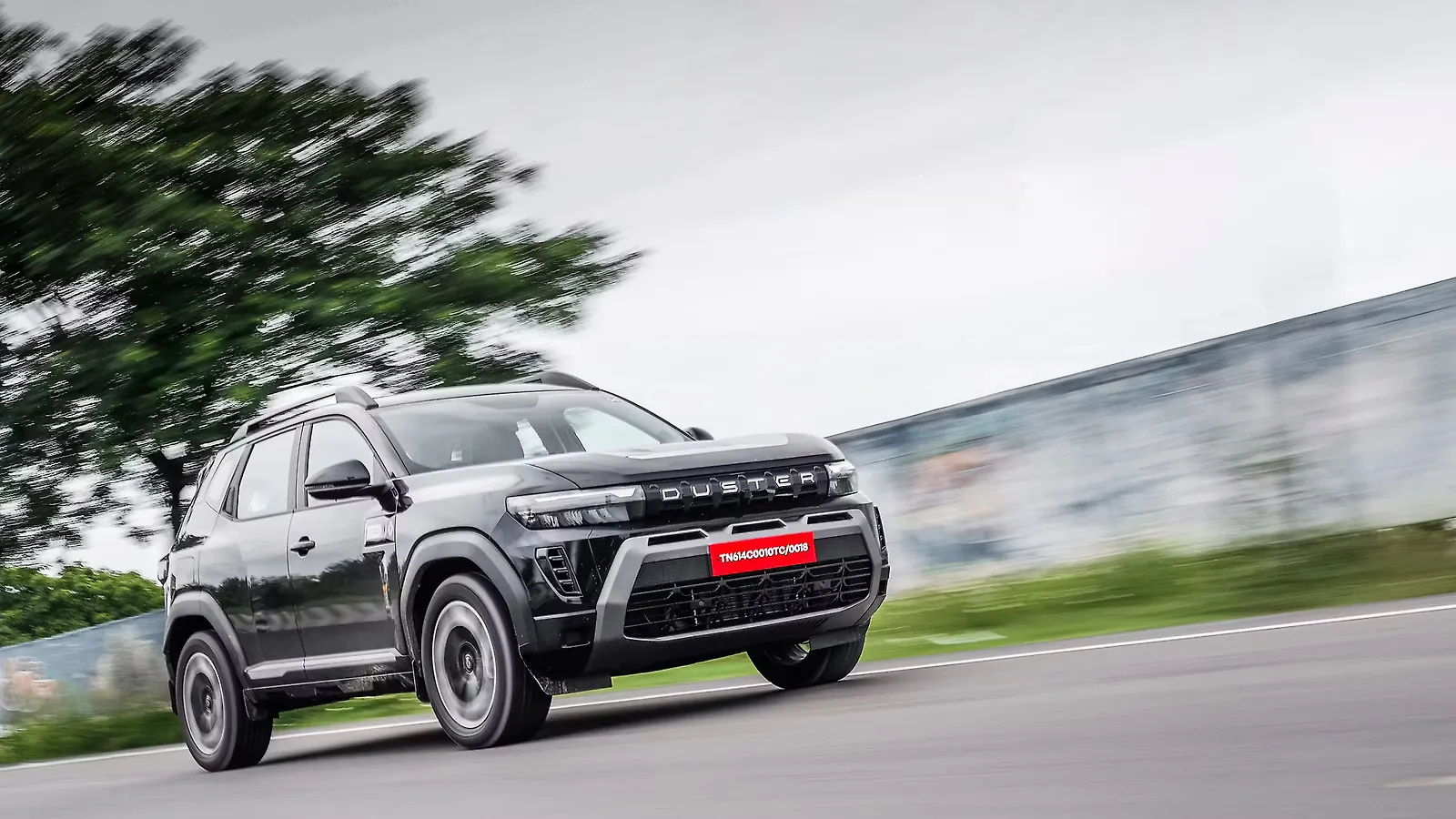
The result is an SUV that feels particularly well suited to urban driving. Overtakes are effortless, closing gaps in traffic is easy, and there's very little hesitation when you ask for acceleration. It feels responsive without requiring much effort from the driver.
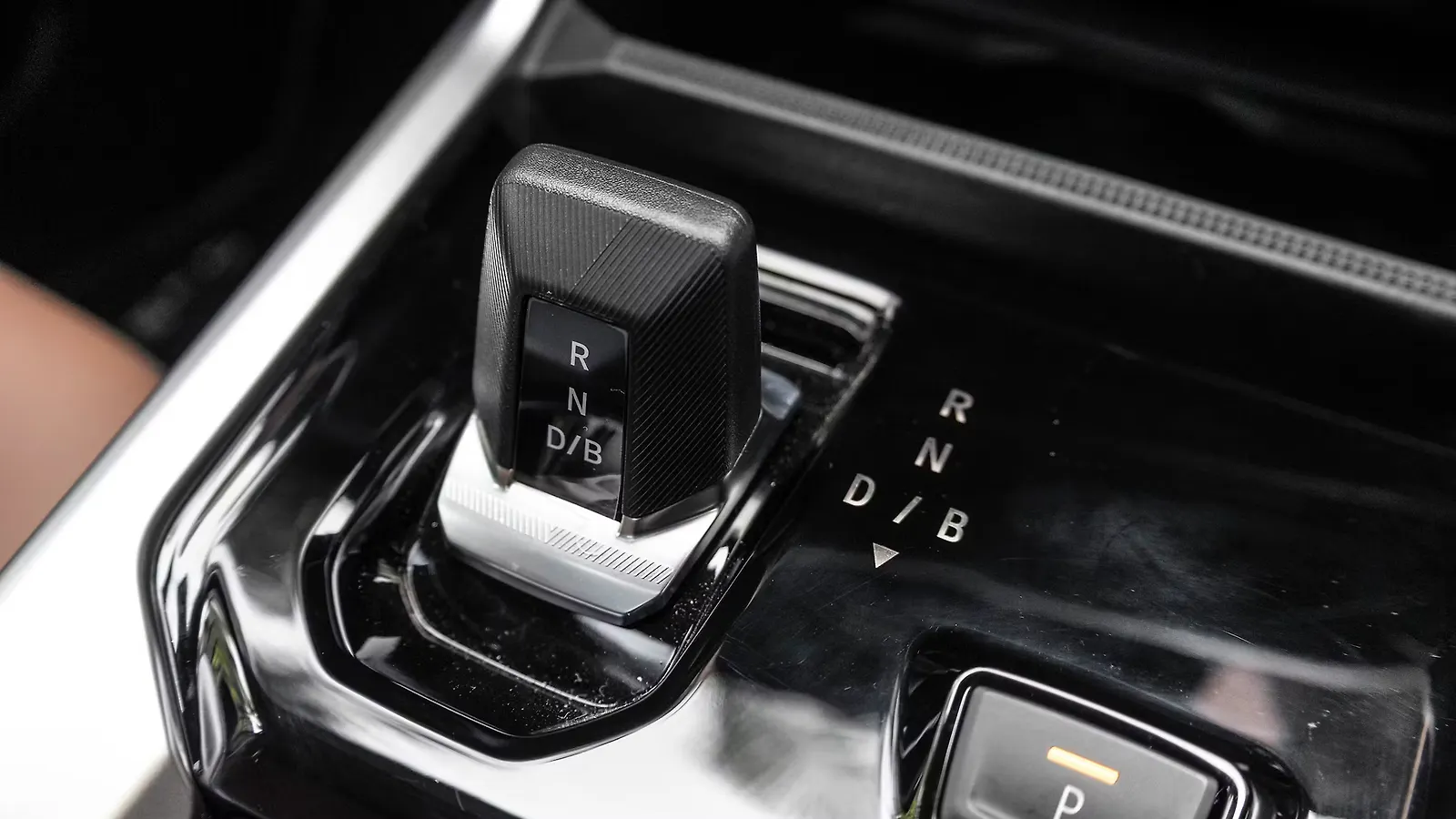
Ask for more performance, and the system switches to parallel-hybrid operation, with the engine and electric motor working together. The engine drives the wheels through a four-speed dog gearbox. The shifts are quick and reasonably seamless. Any interruption in drive during a shift is filled by the electric motor's torque, so there is very little head nod or shift shock.
That also makes the Duster Hybrid more engaging to drive than many of its hybrid rivals that use e-CVT transmissions. The engine revs rise and fall with each shift, giving the driving experience a more conventional, connected feel. It feels quick, responsive and genuinely enjoyable, rather than simply efficient.
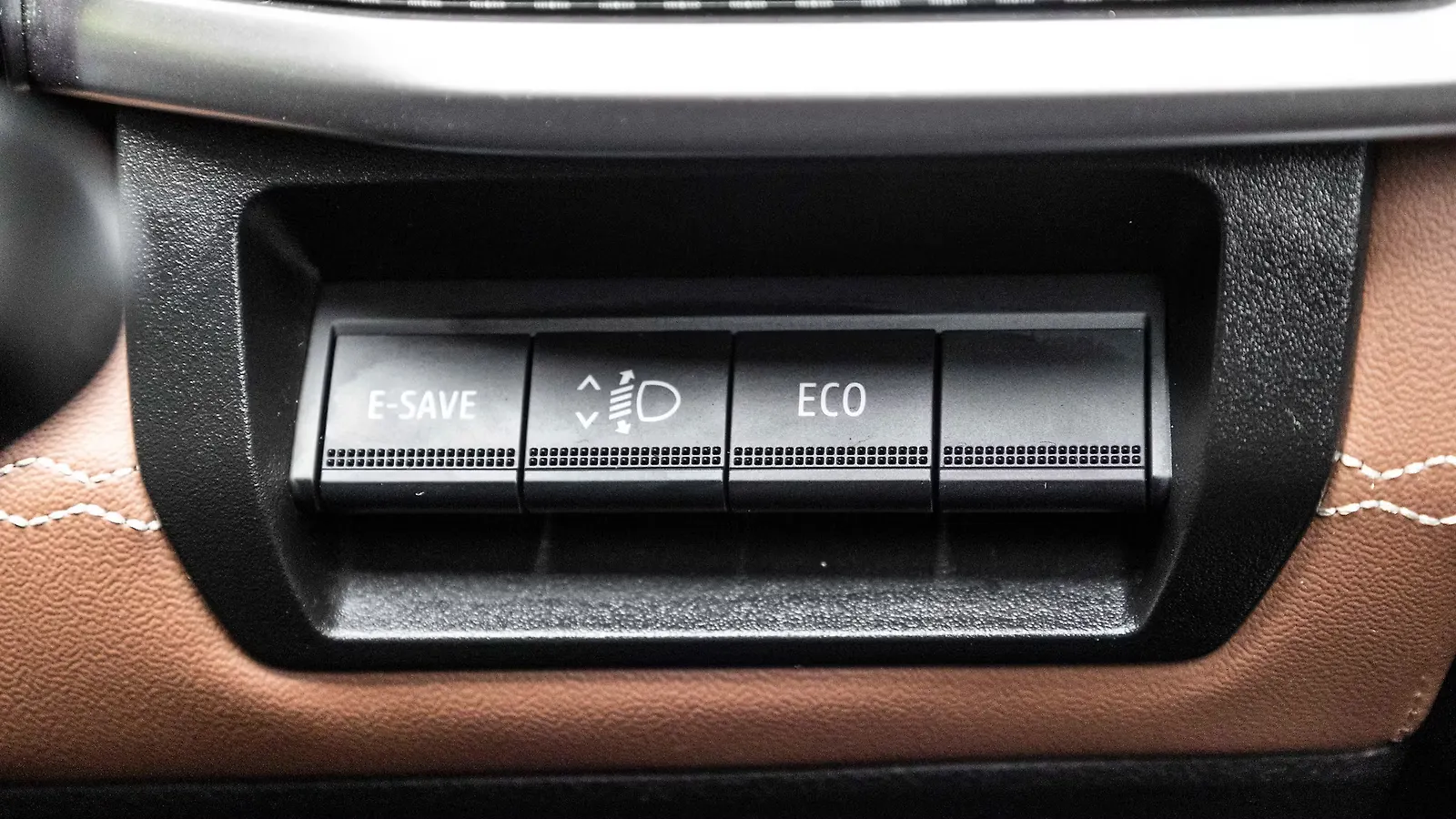
There is one drawback. When the battery needs charging in series-hybrid mode, the engine can suddenly rev at a higher speed than feels comfortable inside the cabin. The transition from near-silent electric running to a relatively loud engine humming away can be disconcerting. More importantly, the noise isn't always linked to your throttle inputs or driving demands, creating a disconnect between what you're doing and what the powertrain is doing.
It's something you may get used to over time, but it takes away from the otherwise smooth and refined experience. At highway speeds of 100–120kmph, however, the Duster Hybrid feels perfectly natural. The engine does most of the heavy lifting, and the powertrain behaves like that of a conventional combustion-engine car. There is little to complain about in the way it delivers performance at these speeds.
Ride and Handling
The Duster has always struck a good balance between ride and handling, and the hybrid retains much of that character. Steering response is good, lane changes are easy to execute, and the SUV feels composed through corners, with reassuring grip and a well-sorted chassis.
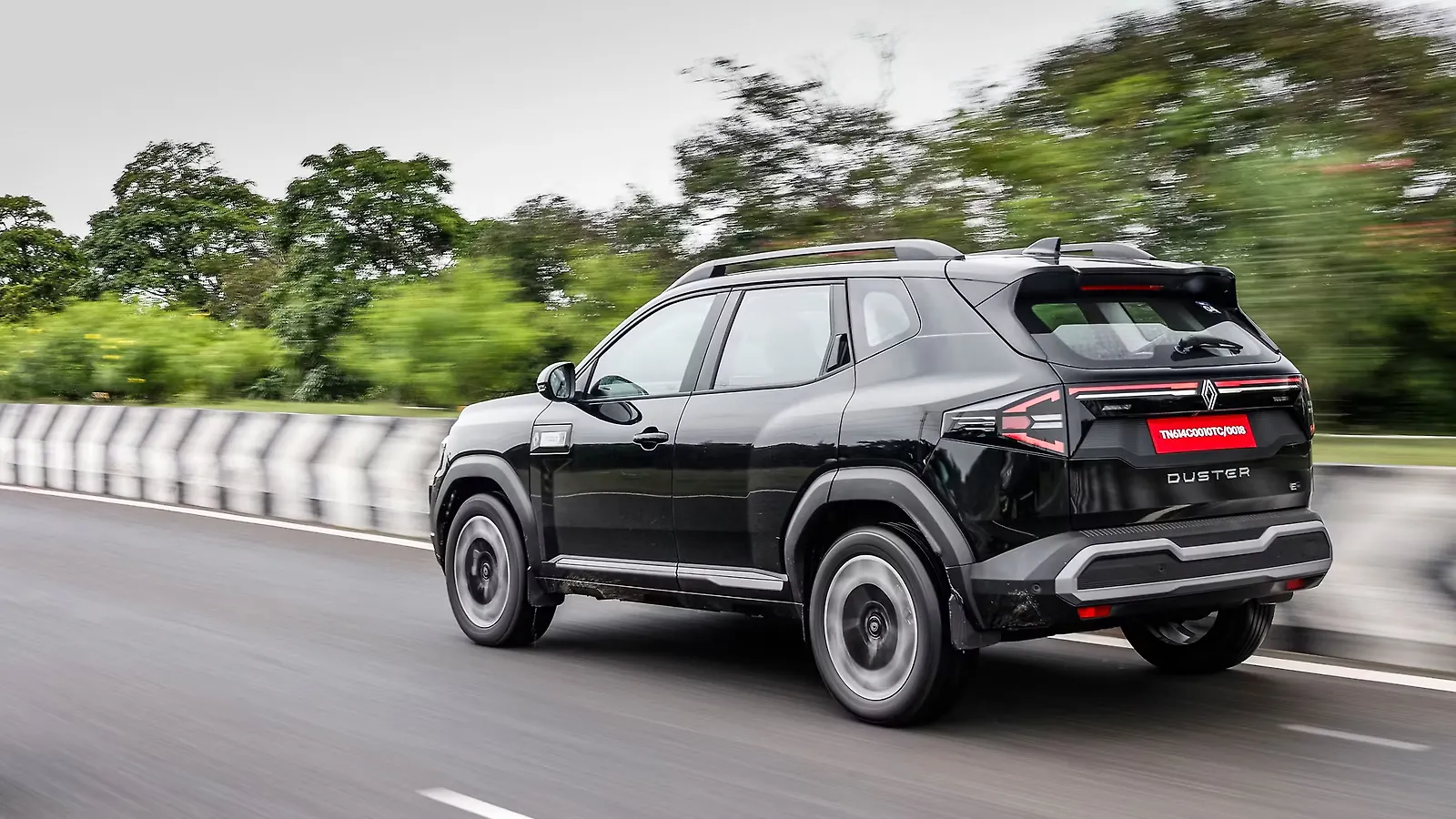
The hybrid does bring an important change underneath. Its 1.4kWh battery pack adds around 80kg to the vehicle, so Renault has equipped it with frequency-dependent damping (FDD) to compensate for the extra weight.
Interestingly, this doesn't just help manage the additional mass. It also improves the ride quality. The regular 1.3-litre and 1.0-litre Dusters get plenty right dynamically, but their ride can feel brittle and unrefined. Sharp bumps and a succession of undulations get transmitted with more vigour than one would deem comfortable for the occupants. It also doesn't always iron out imperfections as well as some of its rivals.
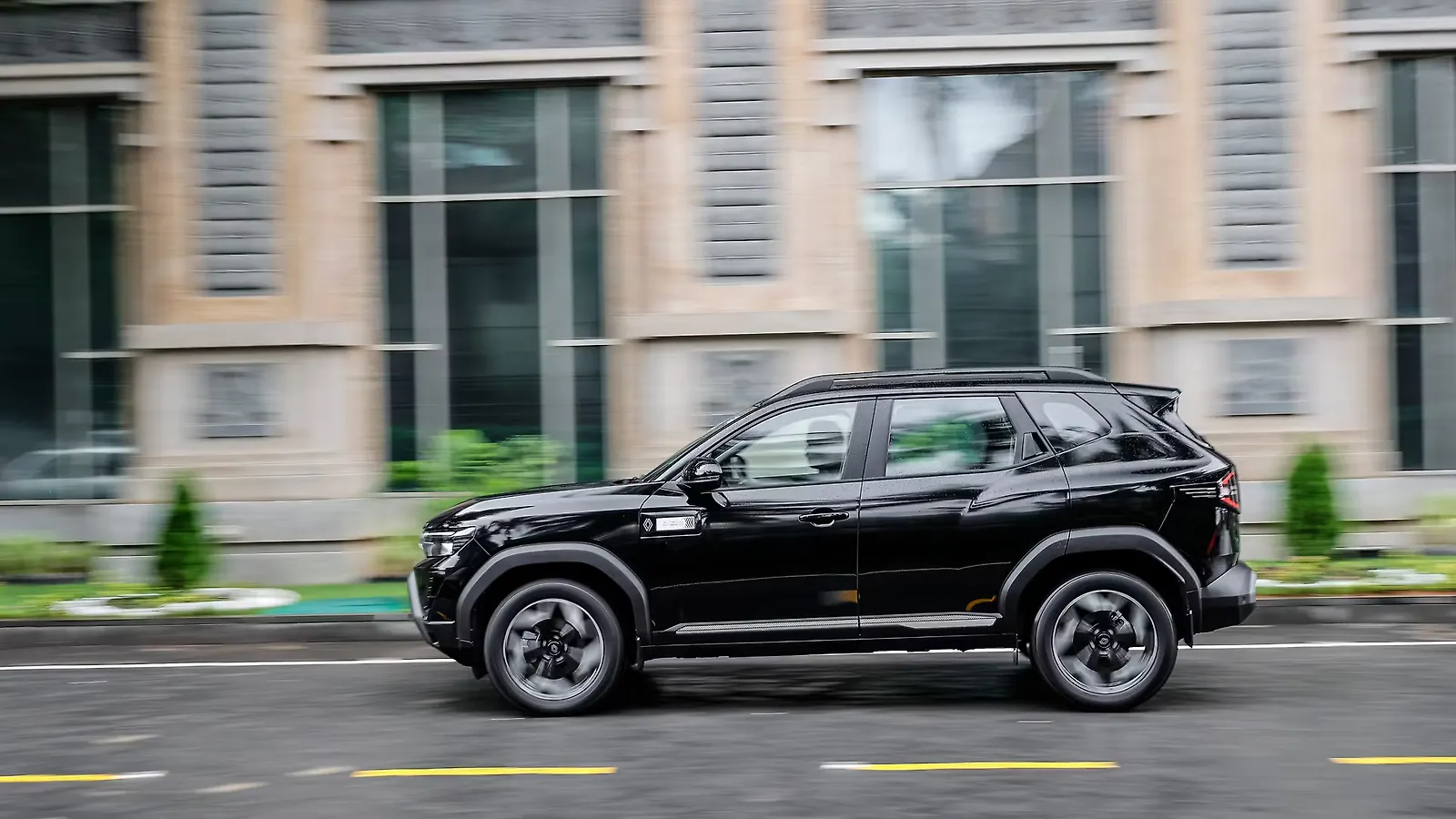
The hybrid feels better sorted in this regard. It rolls over bumps more comfortably and settles down more effectively afterwards. The result is a more refined ride that makes the Duster feel like a bigger, more substantial SUV on the move. It still doesn't quite match the best in the segment, but the improvement over the regular Duster is noticeable. And importantly, the added comfort hasn't come at the expense of the handling characteristics that make the Duster enjoyable to drive.
Verdict
The Duster Hybrid is comfortably the best version of the Duster you can buy. It is the most well-rounded interpretation of Renault's SUV yet, combining easy city driving, strong performance, the potential for greater efficiency and a more refined ride.
The hybrid powertrain is the highlight. It makes the Duster quieter and more responsive in urban conditions. It is still not a great value purchase, but if you value a great balance between efficiency, performance and dynamics, and can live with an average cabin experience, go for it.
Pictures by Kapil Angane